CPR Classes for Fitness Studios: Preparing for Cardiac Events During Exercise
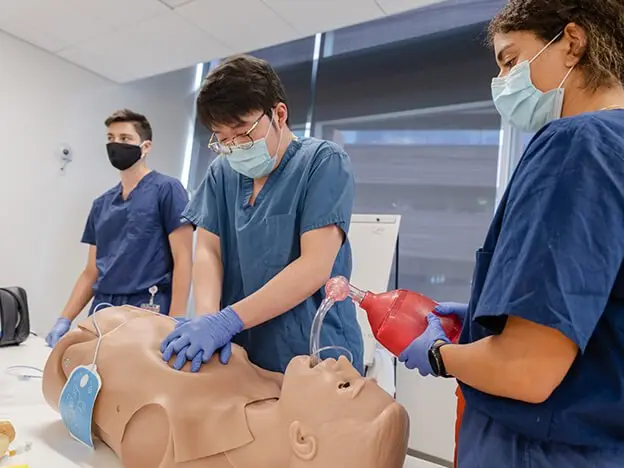
Fitness studios are places where people come to improve strength, endurance, mobility, and overall health. From high-intensity interval training and spin classes to yoga, boxing, Pilates, and personal training sessions, Phoenix fitness spaces welcome people with different ages, fitness levels, and health backgrounds. While exercise is an important part of a healthy lifestyle, physical activity can sometimes place stress on the body, especially for people with unknown or existing heart concerns.
This is why CPR training matters in fitness environments. When a cardiac emergency happens during exercise, the first few minutes are critical. Staff members, trainers, instructors, and nearby team members may be the first people available to respond. CPR certification helps them understand what to do, how to stay focused, and how to provide support until emergency help arrives.
Why Cardiac Readiness Matters in Fitness Studios
Cardiac emergencies can happen without warning. A person may appear healthy before class, then suddenly experience chest discomfort, dizziness, shortness of breath, fainting, or collapse during physical activity. These symptoms can be frightening for everyone in the room, especially if no one knows how to respond.
Fitness studios in Phoenix, AZ often serve a wide range of clients, including beginners, athletes, older adults, people returning to exercise, and individuals working toward better health after a long break. Because every client’s health history is different, fitness teams should be prepared for unexpected situations.
CPR classes help staff recognize when a situation may be serious. They also teach clear steps for checking responsiveness, calling for help, starting chest compressions, and using an automated external defibrillator, also known as an AED, when one is available.
How CPR Training Supports Safer Workouts
CPR training gives fitness professionals and staff a practical response plan. In an emergency, confusion can slow people down. Training helps reduce hesitation because team members have already practiced what to do.
For example, if someone collapses during a class, one staff member may check responsiveness while another calls 911. Another person may bring the AED, move nearby equipment, or guide emergency personnel to the right area. When staff understand these roles, the response can be more organized and less stressful.
CPR certification also helps fitness studios build a stronger safety culture. It shows that emergency readiness is part of the studio’s everyday operations, along with safe equipment use, proper warmups, hydration reminders, and clear class instruction.
What CPR Classes Usually Teach
CPR classes typically cover how to identify a possible cardiac emergency, how to perform chest compressions, how to give breaths when included in the course, and how to use an AED. Some courses also include choking response and CPR techniques for adults, children, and infants, depending on the class type.
For fitness studios, hands-on practice is especially important. CPR is not just something to read about; it is a physical skill. Staff need to understand proper hand placement, compression depth, compression pace, and when to switch roles if more than one trained person is available.
AED training is also valuable because many public buildings, gyms, and community facilities have AEDs on site. The device provides voice prompts, but training helps staff become familiar with pad placement, safety steps, and how CPR continues after the AED is used.
Who Should Have CPR Certification in a Fitness Studio?
In a fitness studio, CPR certification should not be limited to one person. Managers, trainers, group class instructors, front desk staff, child watch staff, and floor attendants may all be in a position to notice an emergency.
Relying on only one certified person can create gaps. That employee may be off duty, helping another client, or away from the main workout area when an emergency happens. Having multiple trained team members increases the chance that someone nearby can respond quickly.
Personal trainers and group fitness instructors may especially benefit from CPR classes because they work directly with clients during exertion. They are often the first to notice when someone looks unwell, stops moving normally, or shows signs of distress.
How Phoenix Fitness Studios Can Build Emergency Plans
CPR training works best when it is paired with a simple emergency plan. Fitness studios should know where the AED is located, how staff will call 911, who will meet emergency personnel, and how to move clients safely away from the area.
Studios can also review emergency procedures during staff meetings. This does not need to be complicated. Even a quick walk-through can help employees remember where supplies are kept and what their role may be during an urgent situation.
Phoenix fitness facilities should also consider heat-related risks, especially during warmer months. While CPR certification focuses on cardiac response, broader safety awareness can help teams notice when clients may be dehydrated, overheated, or pushing beyond safe limits.
Keeping CPR Certification Current
CPR skills can fade over time, which is why renewal is important. Certification is commonly valid for a set period, and staff should renew before it expires. Regular renewal helps team members refresh their knowledge, practice hands-on skills, and stay familiar with current course guidance.
Fitness studio owners and managers can make CPR renewal part of staff onboarding and yearly safety planning. This keeps safety from becoming an afterthought and helps ensure new employees are prepared early.
CPR Training Belongs in Fitness Settings
Fitness studios help people pursue healthier lives, but they should also be ready for unexpected emergencies. CPR training, CPR certification, and CPR classes give Phoenix fitness teams practical tools to respond when someone needs immediate help during exercise.
For fitness studios reviewing their emergency readiness plan, CPR Solutions AZ offers trusted CPR training courses for individuals and groups in Phoenix, AZ, and they can be a helpful resource for teams looking to stay prepared.