When your vehicle breaks down on a high-speed road or highway, it can be a nerve-wracking experience. The fast-moving traffic, limited space, and potential for accidents make towing on high-speed roadways more challenging than on city streets. Emergency towing services, especially 24-hour towing and auto towing, play a vital role in helping stranded drivers. Tow truck operators in Phoenix, AZ, are highly trained to handle these situations, ensuring that the vehicle, the operator, and other road users stay safe.
The Dangers of High-Speed Towing
Towing on high-speed roads comes with specific dangers. Vehicles on highways can travel at much faster speeds than those on city streets, and breakdowns often occur in areas with limited space. Additionally, narrow shoulders or the lack of a safe stopping area complicate the towing process.
Here are some of the risks associated with towing on high-speed roads:
• High-speed traffic: With vehicles traveling at speeds often exceeding 60 miles per hour, the risk of accidents increases significantly.
• Limited visibility: In high-speed zones, especially at night or during poor weather conditions, visibility can be compromised, making it harder for approaching drivers to see a tow truck.
• Narrow shoulders: Many highways and roads do not have a wide shoulder to allow tow trucks to park safely, increasing the chance of an accident.
• Increased risk of secondary accidents: When a vehicle is stopped on the side of the road, it poses a risk to other vehicles, and there is a heightened potential for accidents due to drivers not expecting a breakdown.
Due to these risks, tow truck operators need to exercise caution, follow safety protocols, and be equipped with the right tools to protect themselves, the vehicles, and other drivers on the road.
Key Safety Measures for Tow Truck Operators
1. Using Emergency Lighting and Warning Signals
Tow truck operators prioritize visibility by using emergency lights, reflective markers, and road flares to alert passing vehicles. These safety measures are essential for reducing the risk of accidents when performing emergency towing on high-speed roads. Emergency lights on tow trucks make the vehicle visible from a distance, signaling to other drivers that they need to slow down and proceed with caution.
For added safety, operators may place reflective cones or warning triangles around the scene to create a safety buffer zone. This extra layer of visibility helps reduce the likelihood of accidents caused by distracted or unaware drivers.
2. Positioning the Tow Truck Correctly
One of the first steps tow truck operators take when responding to an emergency is ensuring their vehicle is positioned safely. On high-speed roads, operators may angle the tow truck in a way that shields the vehicle being towed from oncoming traffic. If the breakdown occurs in a location with a narrow shoulder, the operator may use their vehicle as a barrier between the breakdown and oncoming vehicles, providing extra protection.
The positioning of the tow truck is essential for creating a safe environment while the operator works to secure the towed vehicle. In some cases, the operator may also coordinate with local law enforcement to help manage traffic and ensure the safety of everyone involved.
3. Securing the Vehicle Properly
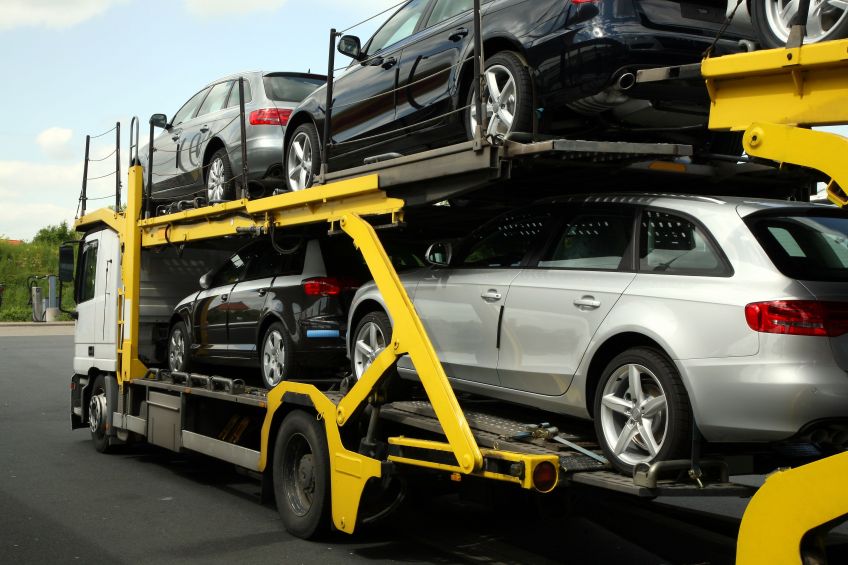
Once the tow truck is in position, the operator will secure the vehicle being towed. Securing the car is one of the most critical aspects of the process. The tow truck operator must use the correct equipment, such as straps, chains, or a flatbed system, to ensure that the vehicle remains secure during transport. This is especially important on high-speed roads, where any movement or instability of the towed vehicle could cause an accident.
For 24-hour towing services, the vehicle may need to be transported over long distances. In these cases, flatbed towing is often the best option because it minimizes the risk of the vehicle shifting or falling off during transit. The tow truck operator will double-check the tie-downs to ensure that the vehicle is fully secured before starting the journey.
4. Slow and Steady Driving
After securing the vehicle, the tow truck operator will begin driving cautiously, ensuring that the vehicle is transported safely to its destination. Driving slowly is key to reducing the risk of accidents, especially when navigating high-speed roadways. Tow trucks are often larger and less maneuverable than passenger vehicles, so operators need to drive at safe speeds, ensuring they have enough space to react to any sudden changes in traffic.
Tow truck operators also need to remain alert and aware of other drivers around them. Keeping a safe distance from other vehicles, using the tow truck’s mirrors to monitor blind spots, and staying aware of road conditions are all essential steps in maintaining safety.
5. Coordinating with Law Enforcement and Traffic Control
In some cases, especially during large-scale accidents or heavy traffic, tow truck operators may need to coordinate with law enforcement and traffic control personnel to ensure that traffic is diverted or slowed down. Police officers can help control the flow of traffic around the breakdown or accident site, reducing the risk of secondary accidents.
Tow truck operators will also work closely with law enforcement to follow the correct procedures for accident recovery or vehicle removal. This cooperation ensures that the situation is handled as efficiently and safely as possible.
Best Practices for Towing on High-Speed Roads
When towing on high-speed roads, it is essential to follow best practices to minimize risks and ensure the safety of everyone involved. These best practices include:
• Proper vehicle placement: Ensuring that the tow truck is positioned in a safe location and angles the vehicle away from traffic.
• Clear communication: Tow truck operators must communicate effectively with law enforcement, other drivers, and their team to ensure that everyone knows their role in the towing process.
• Routine safety checks: Operators should regularly inspect their equipment, including lights, brakes, and towing mechanisms, to ensure everything is in good working condition.
• Using safety equipment: Tow truck operators should always use emergency lights, reflective cones, and flares to make the scene visible to other drivers.
• Maintaining a slow and steady pace: Tow truck operators should drive slowly, especially in high-speed zones, and give themselves extra time to react to changes in traffic.
By following best practices for towing on high-speed roads, tow truck operators can ensure that they are not only protecting themselves but also helping to maintain safety on busy roadways.