What Surface Preparation Is Needed Before Installing New Flooring?
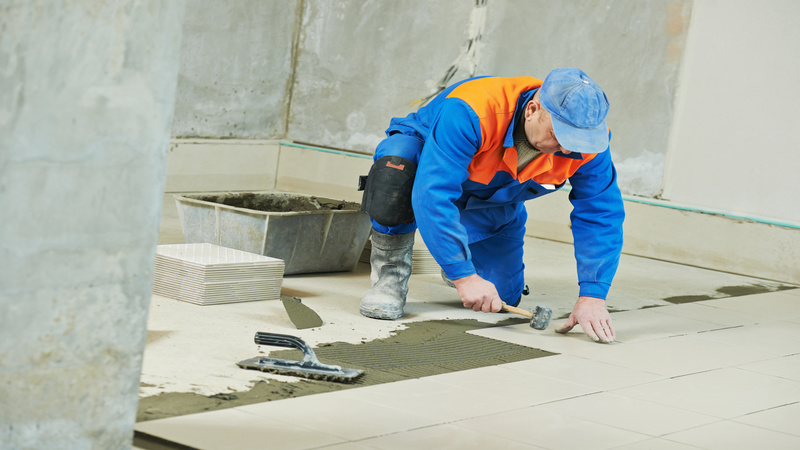
Proper surface preparation is an important step before new flooring is installed because the underlying surface needs to be clean, stable, and suitable for the selected material. Before Flooring Installation begins, installers typically evaluate the subfloor, address surface irregularities, remove debris, and confirm that the area meets the flooring manufacturer’s requirements.
A finished floor may look simple once installed, but the surface beneath it plays an important role in how the material performs. Preparation requirements can vary depending on whether the project involves tile, hardwood, vinyl, carpet, or another flooring product.
Why Does the Subfloor Need to Be Prepared?
The subfloor provides the foundation for the new flooring. If it contains significant uneven areas, debris, moisture problems, or other conditions that conflict with the flooring manufacturer’s requirements, the finished surface may not perform as intended.
Preparation helps create a suitable base for installation. It may involve cleaning the surface, removing existing materials, correcting uneven areas, or completing other work required for the selected flooring system.
What Does a Flooring Installer Check First?
Before installation begins, the installer can examine the existing surface and identify conditions that could affect the new floor. This may include checking for uneven areas, loose sections, cracks, debris, or other surface conditions.
Moisture is another consideration for certain flooring materials. Excess moisture can affect some flooring systems, adhesives, and underlayments, so the appropriate moisture requirements should be reviewed before installation.
Does the Existing Flooring Need to Be Removed?
Not necessarily. Whether existing flooring can remain depends on the material, its condition, the new flooring system, and the manufacturer’s installation requirements.
In some situations, a new flooring product may be installed over an existing surface if the substrate meets the necessary requirements. In other cases, the old flooring needs to be removed so the underlying surface can be properly assessed and prepared.
How Is an Uneven Surface Prepared?
An uneven subfloor can create challenges for flooring installation. The appropriate solution depends on the severity and type of unevenness as well as the flooring material being installed.
Preparation may involve leveling or smoothing portions of the surface where permitted by the flooring system. The objective is to create a suitable substrate that meets the product’s installation requirements.
For homeowners comparing Floor Installation Services in Glendale, AZ, asking how the existing surface will be evaluated can help clarify what preparation may be required before the visible flooring is installed.
Why Is Cleaning Important Before Flooring Installation?
Dust, dirt, debris, adhesive residue, and other contaminants can interfere with some flooring installation systems. A clean surface allows the installer to properly evaluate the substrate and prepare it according to the requirements of the new material.
The type of cleaning required depends on the existing surface and flooring product. Some installations may require removal of adhesive residue or other material left behind after previous flooring is removed.
How Does Moisture Affect Flooring Preparation?
Moisture needs to be considered before installing certain flooring materials, particularly when the flooring or adhesive has specific moisture limitations.
Concrete slabs, for example, can contain moisture that needs to be evaluated before certain flooring products are installed. The appropriate testing method and acceptable moisture level depend on the flooring system and manufacturer requirements.
Does Every Flooring Material Require the Same Preparation?
No. Preparation requirements vary by flooring material and installation method.
Tile may require a suitable, stable substrate and appropriate preparation for the tile installation system. Hardwood and other wood flooring products can have specific requirements involving the subfloor, moisture, and installation environment. Vinyl products may have particular flatness requirements, while carpet preparation can involve different considerations.
Because of these differences, Local Flooring Installers should evaluate the actual flooring product being installed rather than relying on a one-size-fits-all preparation process.
For homeowners in Glendale, AZ, understanding these differences can make the planning stage easier and help set realistic expectations for the project.
What Should Homeowners Do Before Installation Begins?
Homeowners can start by clearing personal belongings from the areas being renovated and discussing the existing flooring with the installer. If there are concerns about moisture, uneven areas, previous flooring layers, or other conditions, those should be brought up before installation begins.
It is also useful to know which flooring material will be installed and whether the manufacturer has specific substrate requirements. These details can influence the preparation process and the overall project timeline.
Preparing for a Successful Flooring Project
Surface preparation is an essential part of a flooring project because the finished material depends on the condition of the surface underneath it. Cleaning, subfloor assessment, leveling where appropriate, moisture evaluation, and removal of unsuitable existing materials may all be part of the preparation process.
For homeowners planning new flooring in Glendale, AZ, discussing the existing surface with a qualified flooring professional can help identify preparation needs before installation begins.
About Crafted Remodeling
Crafted Remodeling is a Glendale-area remodeling company focused on residential renovation and home improvement projects, including flooring installation. Homeowners can learn more about their services or find their office on Google Maps. They can also be reached at 602-237-6756 to discuss a residential remodeling project.