Understanding the Tree Removal Process From Start to Finish
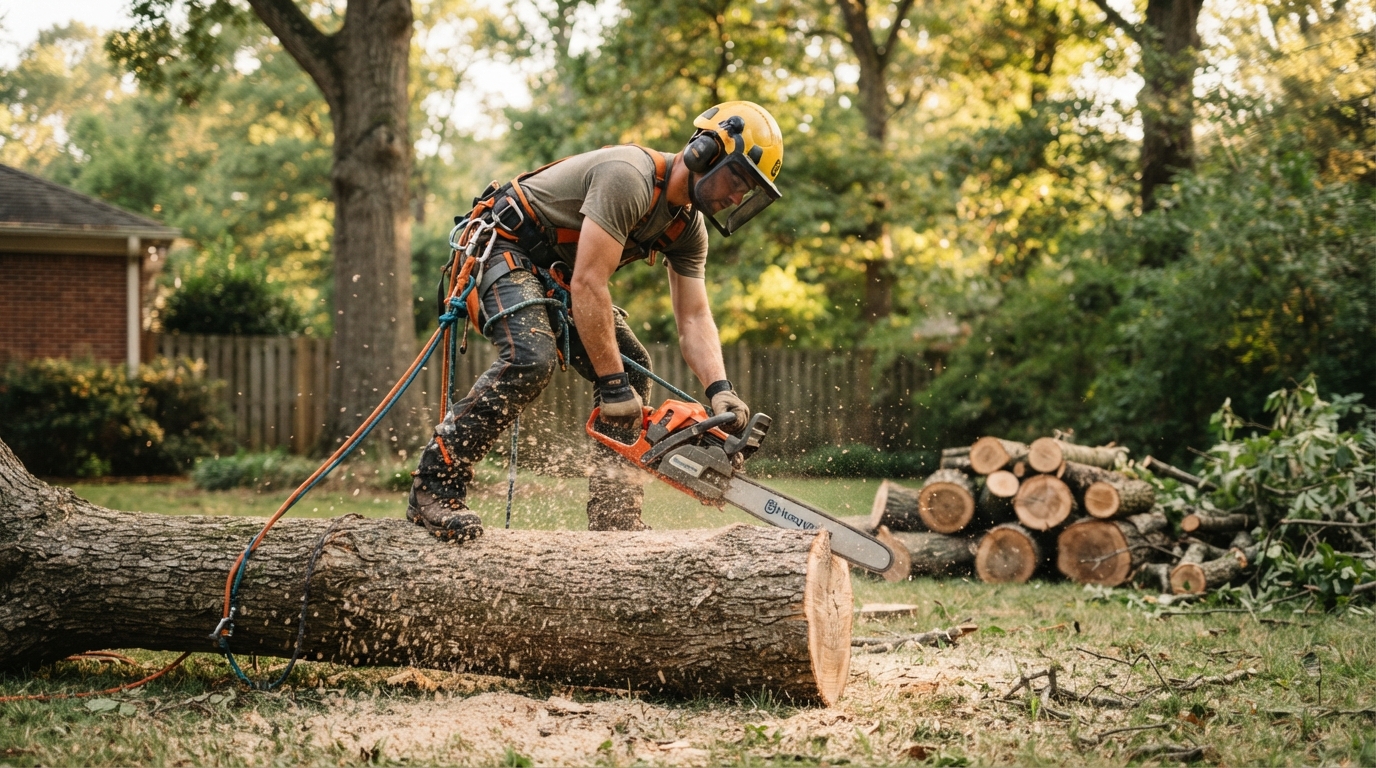
The gist:
Tree removal in Eugene, OR typically follows a sequence of inspection, risk assessment, permitting (when required), cutting, and debris cleanup.
The City of Eugene requires permits for most significant trees above a set trunk diameter, though hazardous trees often qualify for exemptions.
Costs and timelines vary based on tree size, location, and whether emergency response is needed.
A tree removal project generally moves through five stages: an on-site evaluation, a decision on whether a permit is needed, scheduling, the actual cutting and felling work, and final cleanup of limbs, trunk sections, and stump material. Understanding this sequence helps property owners in Eugene, OR plan ahead and avoid delays tied to local permitting rules.
Removing a tree is rarely as simple as cutting it down. Tree removal in Eugene, OR involves assessing the tree’s health, size, and location relative to structures, power lines, and neighboring properties before any cutting begins. A certified arborist or tree crew typically inspects the trunk diameter, root condition, and lean direction to determine the safest felling method, whether that means a straight drop, sectional dismantling, or crane-assisted removal.
Why Permits Matter Before Cutting
Local rules shape when a tree can legally come down. In Eugene, OR, city regulations require a Tree Removal Permit in certain situations tied to parcel size and the number of trees being removed, and the standards apply specifically to trees meeting a minimum size threshold described as “significant trees” in municipal code, according to the City of Eugene.
Residential removal of a single qualifying tree generally does not require a permit in many cases, but larger parcels or commercial properties face stricter thresholds.
Trees located in the public right-of-way, such as street trees, require separate authorization.
Hazardous trees that pose an immediate safety risk may be exempt from standard permitting, though notification to the city is often still expected.
Skipping this step can lead to fines or required remediation, so confirming permit status before work begins is a practical first move for any property owner.
The Removal Process Step by Step
Once permitting questions are resolved, the physical work follows a fairly consistent order.
1. Site assessment – crews examine the tree’s condition, surrounding structures, and access points for equipment.
2. Risk mitigation planning – ropes, rigging, or cranes are selected based on the tree’s height, lean, and proximity to buildings or utility lines.
3. Felling or sectional dismantling – the tree is cut down in one piece or taken apart in sections, depending on available clearance.
4. Stump handling – the remaining stump is ground down or extracted, depending on the property owner’s preference.
5. Debris cleanup and hauling – branches, trunk sections, and wood chips are removed from the site.
| Removal Method | Typical Use Case | Site Clearance Needed |
| Straight felling | Open yards with no nearby structures | High |
| Sectional dismantling | Trees near homes, fences, or power lines | Low to moderate |
| Crane-assisted removal | Very large or hard-to-access trees | Moderate (crane access required) |
Seasonal and Site Considerations in Eugene
Western Oregon’s wet winters and windstorms influence when removal work becomes urgent. Storm-damaged or leaning trees often need faster response than routine removals, since root systems weakened by saturated soil can fail without much warning. Property owners dealing with such situations may need documentation of the tree’s condition, since dead or hazardous trees sometimes qualify for expedited handling under local rules.
Lot size, tree density, and proximity to structures also affect how a removal is planned. Properties with mature stands of trees, common across many older Eugene neighborhoods, may require more careful sequencing to avoid damaging nearby landscaping or fences during the drop.
Frequently Asked Questions
Does every tree removal in Eugene, OR require a permit? Not always. Permit requirements depend on the tree’s size, the parcel’s zoning, and whether the tree is classified as significant, heritage, or hazardous under city rules.
How long does the permitting process typically take? Processing times vary by application type, and property owners should confirm current timelines directly with the city’s planning department before scheduling removal work.
What happens to the stump after a tree is removed? Stumps can be ground down below grade or fully extracted, depending on plans for replanting, landscaping, or construction on the site.
Can a hazardous tree be removed without waiting for a permit? Trees posing an immediate safety risk are often handled under exemptions, though documentation or notification to the city may still be required afterward.
Based in USA, Hodgson Tree Service Inc. serves customers across Eugene, OR, offering residential tree removal, trimming, pruning, and related tree care services.
Where to Find Additional Details
Published details for Hodgson Tree Service Inc. cover the local service area and general scope of tree care work.