Choosing the Right Plants and Materials for Landscape Installation
At glance:
- Plant and material choices should match regional soil, drainage, and climate conditions in St. John, IN.
- Durable hardscape materials and native or climate-adapted plants reduce long-term maintenance needs.
- Site evaluation before installation helps prevent drainage, erosion, and plant survival issues.
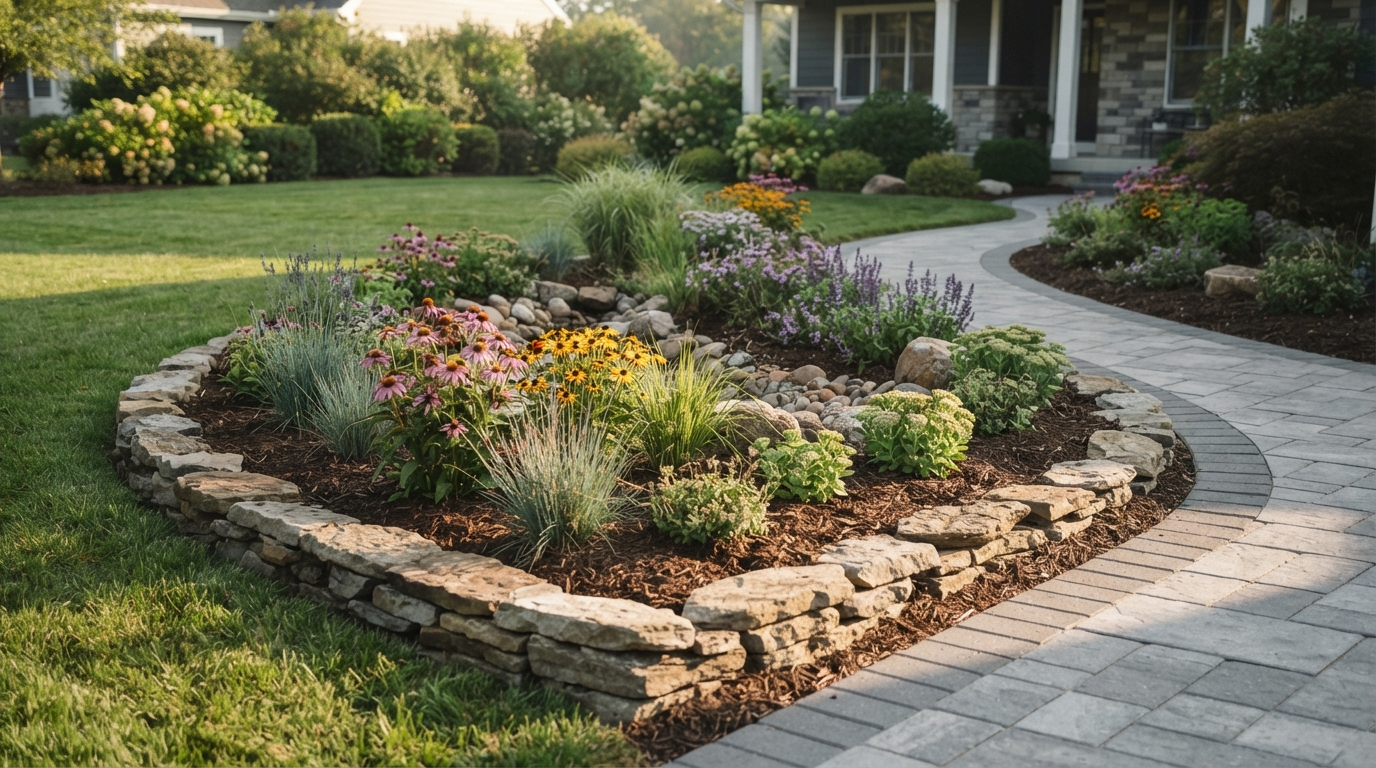
Selecting plants and materials for a yard project means matching species and products to local soil, drainage patterns, and seasonal temperature swings rather than picking based on appearance alone. A successful Landscape Installation depends on compatibility between the chosen materials and the specific conditions of the property, including sun exposure, water flow, and soil composition.
Clay-heavy soils common in parts of northwest Indiana retain moisture longer than sandy soils, which affects which plants will thrive and how hardscape bases should be prepared. Homeowners in St. John, IN often deal with seasonal freeze-thaw cycles that can shift pavers, crack poorly installed walkways, and stress plants with shallow root systems. Understanding these local conditions before purchasing materials helps avoid costly replacements later.
Matching Plants to Regional Conditions
Plant selection should start with hardiness zone data and soil testing rather than seasonal availability at a garden center. The USDA Plant Hardiness Zone Map provides zone classifications that help determine which perennials, shrubs, and trees can survive winter lows in a given region.
Key factors to weigh before choosing plants:
- Mature size and root spread, to avoid future conflicts with foundations or utility lines
- Water requirements relative to the site’s natural drainage and irrigation access
- Sun and shade patterns across the property throughout the growing season
- Native or regionally adapted species that typically require less supplemental watering
Native plants often need fewer chemical inputs once established, since they are already adapted to local rainfall and soil chemistry. This can reduce long-term watering and fertilization demands compared to non-native ornamentals.
Selecting Durable Hardscape Materials
Hardscape materials, including pavers, retaining wall blocks, and edging, need to withstand freeze-thaw cycles without heaving or cracking. Base preparation matters as much as the material itself, since inadequate compaction beneath pavers is a common cause of shifting and settling.
| Material | Durability in Freeze-Thaw Climates | Typical Maintenance |
|---|---|---|
| Concrete pavers | High, when properly base-prepared | Occasional resealing |
| Natural stone | High | Low, periodic cleaning |
| Timber edging | Moderate, prone to rot over time | Replacement every several years |
| Gravel/aggregate | High | Periodic replenishment |
Material choice should also account for how surfaces will be used. Walkways and patios near entertaining areas benefit from slip-resistant textures, while decorative borders can use lighter-duty materials.
Planning for Drainage and Soil Health
Poor drainage is one of the most common reasons new plantings fail within the first year. Grading the site so water moves away from structures and planting beds reduces root rot risk and prevents pooling that can damage hardscape bases.
Soil amendments, such as compost or aged organic matter, improve structure in compacted or clay-dense soils. Testing soil pH and nutrient levels before planting, rather than after plants show signs of stress, allows for targeted corrections instead of guesswork.
Based in Cedar Lake, IN, Redwood Landscape’s published service details note that the business extends its landscaping work to residential properties throughout St. John, IN. Additional information on the business, including the service area and listed offerings, appears in its Google Business Profile.
Frequently Asked Questions
What is the first step before choosing plants or materials for a yard project? A site evaluation covering soil type, drainage patterns, and sun exposure should come before selecting any plants or materials, since these conditions determine which options will perform well long-term.
Are native plants always lower maintenance than non-native options? Native plants are generally better adapted to local rainfall and temperature patterns, which can reduce watering and fertilizing needs, though exact maintenance still depends on the specific species and site conditions.
How does freeze-thaw weather affect hardscape material choices? Repeated freezing and thawing can cause poorly installed pavers or blocks to shift or crack, making proper base compaction and material selection important in regions with cold winters.
Can soil amendments fix poor drainage on their own? Soil amendments improve structure and nutrient content, but severe drainage issues often require grading or drainage system adjustments in addition to amending the soil.
Additional Resource
Published project and contact details for Redwood Landscape are available for reference regarding service area coverage.