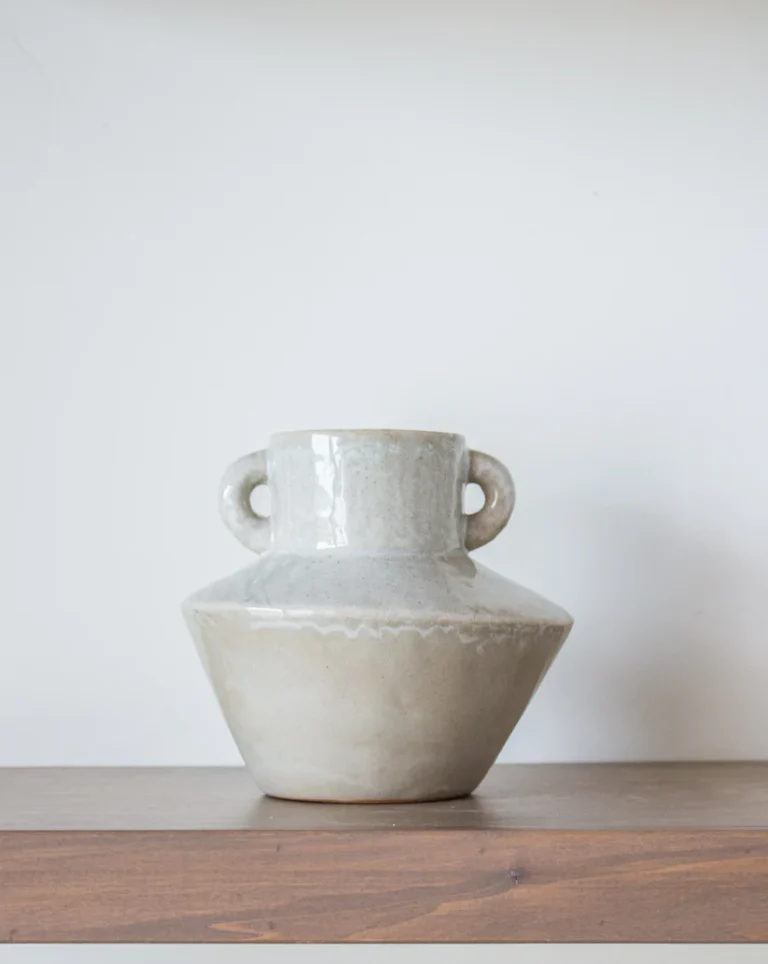
How to Style Open Kitchen Shelves with Useful Accessories and Decor
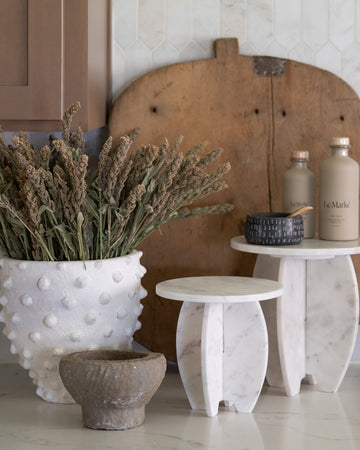
Open kitchen shelves are visible storage areas that combine function and home decor. When styled with useful kitchen accessories and a few vintage home decor accents, they can make a Fresno kitchen feel organized, warm, and visually balanced.
Unlike closed cabinets, open shelves need to work hard every day. They should hold items that are easy to reach, simple to maintain, and attractive enough to remain on display.
What Belongs on Open Kitchen Shelves?
Open kitchen shelves work best when they hold items that are both useful and visually simple. Everyday dishes, mugs, bowls, glassware, cookbooks, small serving pieces, and canisters are common choices.
The goal is not to display everything in the kitchen. Too many items can make shelves look crowded and harder to clean. Instead, homeowners should choose pieces used often or pieces that help the kitchen feel more finished.
Kitchen accessories such as bowls, pitchers, linens, trays, and serving pieces can add shape and texture while still supporting daily routines.
How Do You Keep Open Shelves from Looking Cluttered?
Clutter usually happens when there are too many small objects, too many colors, or too many unrelated materials. A better approach is to group similar items together and leave open space between sections.
Stacks of plates, rows of glasses, and small groupings of bowls can create order. A few decorative accents can be added, but they should not make it difficult to reach the items behind them.
Negative space is important. Empty shelf space gives the eye a place to rest and makes the displayed pieces look more intentional.
How Can Kitchen Accessories Add Function?
Useful kitchen accessories help open shelves serve a real purpose. Canisters can hold dry goods, bowls can store fruit or snacks, and pitchers can be used for drinks or display.
Trays can organize smaller items, while folded linens can add softness and color. Cookbooks can bring height and personality, especially when paired with serving pieces or simple decorative objects.
For shoppers looking for display-worthy pieces, Shoppe At The Avenue offers kitchen accessories that can support open shelving, everyday entertaining, and kitchen styling. Their collection includes pieces that work well for both use and display.
How Can Vintage Home Decor Work on Kitchen Shelves?
Vintage home decor can add character to open kitchen shelves without making the space feel dated. Antique-inspired vessels, framed pieces, aged wood accents, and textured objects can soften modern cabinetry and appliances.
The key is balance. One or two vintage-style pieces can bring warmth, while too many heavy objects may make shelves feel crowded. Pair older textures with cleaner dishes, glassware, or simple serving pieces.
A vintage-inspired accent should support the shelf arrangement. It might add height, introduce texture, or create a focal point at the end of a shelf.
What Colors Work Best for Open Shelving?
A limited color palette often works best. White, cream, wood tones, soft gray, muted green, warm brown, and natural stone shades can help shelves feel calm and connected.
Color can still be used, but it should be repeated intentionally. A blue bowl may connect with a cookbook spine or a patterned linen. A brass accent may relate to cabinet hardware or lighting.
Fresno homes can include many kitchen styles, from traditional spaces to newer open layouts. A restrained palette helps open shelves adapt to different interiors without feeling overly themed.
How Should Items Be Arranged by Height and Shape?
Good shelf styling includes variation. Tall items draw the eye upward, low items create grounding, and rounded pieces soften straight shelf lines.
A stack of plates can sit beside a pitcher. A row of glasses can balance a small vessel. Cookbooks can stand upright or lie flat beneath a decorative object.
Avoid placing everything at the same height. When items vary in scale, the shelf looks more natural and easier to read.
How Can Shelves Connect to the Rest of the Kitchen?
Open shelves should relate to the surrounding home decor. Repeating materials from nearby counters, tables, lighting, or hardware can create better flow.
Wood accents can connect with cutting boards or dining furniture. Ceramic pieces can echo dishes or vessels used in nearby rooms. Metal details can relate to faucets, cabinet pulls, or light fixtures.
This connection helps the kitchen feel integrated rather than separate from the rest of the home.
What Should Stay Off Open Kitchen Shelves?
Items that are rarely used, difficult to clean, or visually distracting may be better stored in closed cabinets. Fragile pieces should also be placed carefully, especially in busy kitchens.
Avoid displaying too many mismatched packages, bulky appliances, or objects that do not support the shelf’s purpose. Open shelves should simplify the kitchen, not create more visual noise.
If an item does not add function, beauty, or balance, it may not belong on display.
How Often Should Open Shelves Be Updated?
Open shelves do not need constant changes. Small updates can keep them fresh without requiring a full restyle.
Seasonal linens, a different bowl, a rotated cookbook, or a new vessel can change the look while keeping the main structure in place. This makes shelf styling easier to maintain throughout the year.
The best shelves evolve slowly. They should reflect how the kitchen is used, not just how it looks.
Create Open Shelves That Work Every Day
Open kitchen shelves should be practical, balanced, and easy to enjoy. Start with everyday pieces, add useful accessories, and finish with a small amount of vintage home decor for warmth and character. With the right mix of function and style, Fresno homeowners can create shelves that feel organized, personal, and connected to the rest of the home.