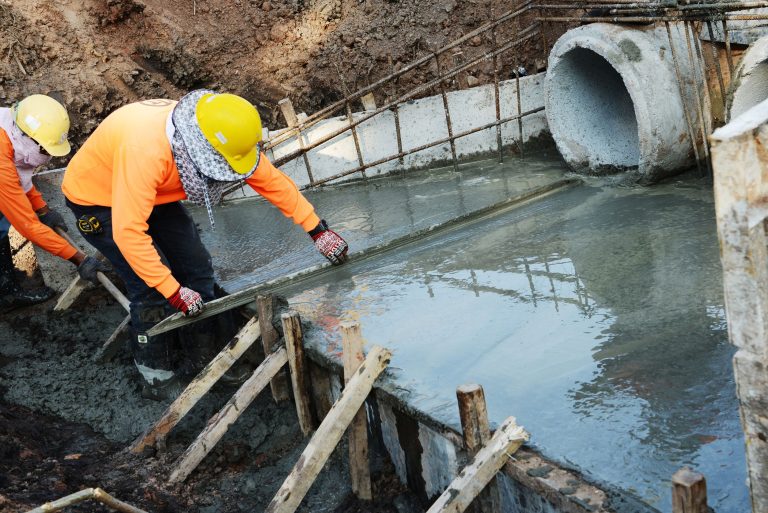
The Role of a Demolition Contractor in Successful Site Clearance

Bottom line:
- A demolition contractor manages structural removal, debris handling, and regulatory compliance so a site is safe and ready for the next phase of construction.
- Core tasks include wall removal, concrete cutting, interior excavation, and coordination with local permitting offices.
- Site clearance outcomes depend on equipment precision, waste management, and adherence to municipal demolition codes.
Site clearance determines how smoothly a construction or renovation project moves forward, and the contractor responsible for that work shapes both the timeline and the safety outcome. A Demolition contractor handles the structural removal, debris control, and sequencing that make a lot or interior space usable again. For property owners in Maryville, TN, understanding what this role actually involves helps set realistic expectations before a project begins.
Demolition is not a single task but a sequence of coordinated steps, each requiring different tools and judgment calls about structural load, utility lines, and material disposal.
- What a Demolition Contractor Actually Does
A contractor’s work on a clearance project typically breaks into distinct phases rather than one continuous activity.
- Site assessment: Evaluating load-bearing elements, utility locations, and structural risk before any cutting begins.
- Selective or full removal: Taking down walls, slabs, or entire structures depending on the scope defined by the property owner.
- Debris management: Separating, hauling, and disposing of concrete, masonry, and other materials in compliance with local waste rules.
- Site preparation: Leaving the cleared area graded and ready for the next construction phase.
Each phase requires different equipment, from diamond-blade saws for precise wall cuts to core drills for utility penetrations and electric excavators for interior space clearing.
- Permits and Compliance Requirements
Demolition work in Tennessee is governed by permitting rules that vary by project size and structure type. According to the City of Knoxville demolition permit guidance, a demolition permit is required whenever any building or structure is to be demolished, and applicants must submit a completed application along with an affidavit of ownership. Commercial demolition projects also typically require a current State of Tennessee General Contractor’s License on file with the issuing jurisdiction.
These requirements exist to confirm that the party performing the work is qualified and that the structure’s removal will not create safety or environmental hazards. Property owners who skip this step risk stop-work orders or delays that extend a project timeline well beyond the original estimate.
- Equipment and Techniques That Affect Site Outcomes
The tools used during demolition directly influence how clean and controlled the final site clearance turns out.
| Technique | Primary Use | Site Impact |
|---|---|---|
| Wall and flat sawing | Precise removal of walls or slab sections | Minimal disruption to adjacent structures |
| Core drilling | Creating round openings for utilities or inspection | Clean penetration without cracking |
| Interior excavation | Clearing interior space around existing features | Careful handling near wiring and piping |
| Electric excavation | Demolition in enclosed or sensitive spaces | Reduced noise and dust compared to traditional equipment |
Selecting the right technique for a given wall or slab type reduces the chance of damage to surrounding structures and shortens cleanup time. For Maryville, TN properties with older concrete work or additions built in phases, this matching of method to material matters more than it does on newer construction.
- Working With a Local Demolition Contractor
Based in Knoxville, TN, Concrete Cutting Systems Inc extends its demolition and concrete-cutting work to customers throughout Maryville, TN. The business’s listed services include wall demolition, driveway demolition, concrete cutting, drilling, and interior excavation for residential and commercial clients. Verified details about the scope of Concrete Cutting Systems Inc are published through its Google Business Profile listing.
- Frequently Asked Questions
Does every demolition project require a permit? Permit thresholds vary by jurisdiction and project size, but most municipal codes in Tennessee require a demolition permit before any structure is taken down, regardless of scale.
How long does a typical wall demolition take? Timelines depend on wall size, material type, and whether utilities run through the structure; a single interior wall often takes less time than a load-bearing exterior section.
What happens to debris after demolition? Concrete, masonry, and other materials are typically separated and hauled to an approved disposal or recycling facility as part of standard site clearance practice.
Can a homeowner handle demolition without a licensed contractor? Some jurisdictions allow homeowners to perform limited residential demolition themselves under specific bond and permit conditions, but commercial projects generally require a licensed demolition contractor.
- Final Note on Planning a Site Clearance Project
Clear site preparation depends on sequencing, proper permitting, and equipment suited to the material being removed. Published details for Concrete Cutting Systems Inc cover the service area and scope of work available to property owners planning a clearance project.