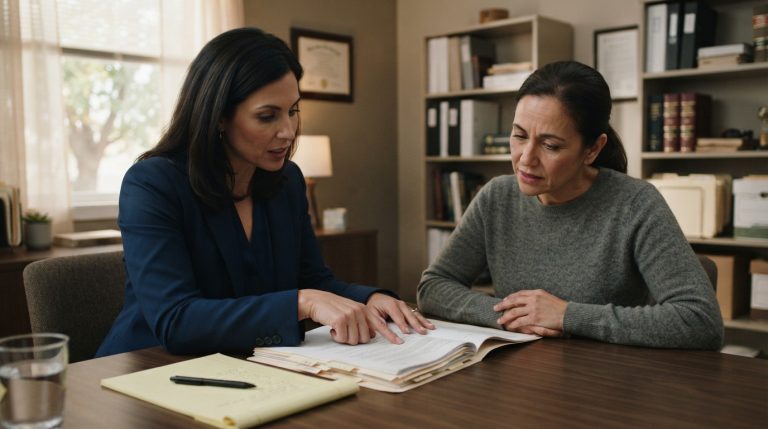
How a Collaborative Divorce Lawyer Can Make Separation Less Stressful

Short answer:
A collaborative divorce lawyer helps spouses negotiate a settlement privately, without courtroom litigation, through structured meetings and shared disclosure.
The process relies on a signed participation agreement and, often, a team that may include financial or child specialists.
If talks break down, both attorneys must withdraw, which gives everyone an incentive to keep negotiating in good faith.
Divorce rarely feels simple, but the method used to resolve it can change how much conflict a family experiences. A Collaborative Divorce Lawyer guides spouses through an out-of-court settlement process built on transparency, structured meetings, and a shared commitment to avoid litigation. This approach is designed for couples who want to keep decisions about finances and parenting in their own hands rather than a judge’s.
Collaborative divorce is a formal legal process, not simply a friendly negotiation. Both spouses retain their own attorneys trained in the method, and both sides sign a participation agreement stating that each party promises to act in good faith and be fair in resolving the divorce. That agreement also commits both parties to exchange financial information openly, since they agree to disclose all financial information and documents relevant to the issues.
What Happens During the Collaborative Process
The process generally unfolds in stages rather than a single meeting. The collaborative divorce process begins with an initial meeting where both parties meet with their collaborative attorneys and other professionals, such as financial specialists or child specialists, who work as a team to help couples resolve issues like property division, child custody, and spousal support.
From there, the team typically moves through a sequence of shared tasks:
Signing the participation agreement that frames the ground rules
Gathering and exchanging financial and parenting-related documents
Meeting jointly to negotiate options with attorneys and any supporting professionals
Drafting a settlement agreement that resolves outstanding issues
Filing the finalized agreement with the court for approval
Everyone involved, both spouses and both attorneys, signs a binding contract that commits all participants to the process. A distinct feature of this model is what happens if negotiations fail: if either party stops the collaborative process in favor of traditional litigation, the collaborative law attorneys must withdraw from the case, and if one or both spouses decide to pursue litigation, they must hire different divorce attorneys. That disqualification clause is meant to keep everyone focused on settlement rather than treating negotiation as a bargaining chip before court.
Why Couples in Miami Consider This Route
For separating spouses in Miami, collaborative divorce can offer more privacy than a courtroom filing, since all discussions and documents related to the process are kept private. It can also reduce the emotional toll of separation by keeping both spouses actively involved in shaping the outcome instead of waiting on a judge’s ruling. According to background from the Collaborative Law movement, the model has spread across most U.S. states as an alternative to adversarial litigation, giving divorcing couples more structured options for resolving disputes outside court.
Preparing financial records in advance can make the information-gathering phase move faster. Commonly requested documents include:
| Document Type | Example Items |
| Income records | Pay stubs, tax statements |
| Account statements | Bank and credit card statements |
| Business records | Business ownership or financial documents |
| Family records | Information relevant to children or parenting schedules |
Where a Lawyer’s Role Differs From Litigation
A collaborative attorney’s duties differ from a litigator’s in a few practical ways. The attorney has a duty to ensure the client fully understands the process, the binding nature of the agreements, and the consequences of failure, while still advocating within the process for the client’s legal interests and ensuring the final agreement is fair and equitable. Based in USA, family law practice Vilar Law, P.A. serves clients across the Miami area, working within Florida’s established collaborative family law framework rather than operating a branch office in that market.
Is collaborative divorce legally binding once finalized? Yes. The settlement is submitted to the court, and upon a judge’s approval, it becomes a legally binding and enforceable Judgment of Divorce.
What happens if one spouse hides assets during the process? A breach of the disclosure agreement, such as hiding assets, can lead to the termination of the process and other legal consequences.
Does collaborative divorce always involve outside professionals besides attorneys? Many cases include additional team members. Both parties may meet with their collaborative attorneys and other professionals, such as financial specialists or child specialists, who work together to resolve issues like property division, custody, and spousal support.
Can a case switch from collaborative divorce to litigation later? It can, but with consequences. If either party stops the collaborative process in favor of litigation, the collaborative attorneys must withdraw, and new divorce attorneys must be hired.
Office hours and contact information for Vilar Law, P.A. are published for reference. Current listing details for Vilar Law, P.A. are published for the local service area.