Understanding Will Legal Advice and Why It Matters for Your Estate

Key takeaway:
A valid will determines how property, savings, and belongings are distributed after death, avoiding reliance on fixed intestacy rules.
Professional guidance helps ensure a will is correctly drafted, witnessed, and kept up to date as personal circumstances change.
Without a valid will, an estate is distributed under statutory rules that may not reflect what the deceased would have wanted.
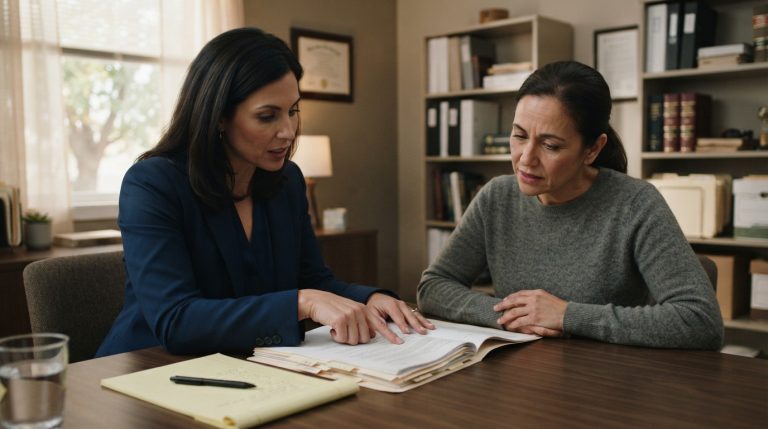
A will is an important legal document that allows a person to specify how their property, savings, and personal possessions should be distributed after their death. Seeking Will Legal Advice Hastings can help ensure the document is properly drafted, validly executed, and accurately reflects current family and financial circumstances. Professional legal guidance can also help prevent potential disputes and ensure that the person’s wishes are clearly documented and legally recognized.
Many people delay making a will because they assume their estate will simply pass to close family. In practice, dying without a valid will means the estate is distributed under strict intestacy rules rather than personal wishes. Funnell & Perring is a firm of solicitors that advises on wills, lasting powers of attorney, and probate matters.
Why Legal Advice on Wills Matters
A will drafted without proper legal input can be challenged, misinterpreted, or declared invalid if formalities are not met. Getting advice from a qualified source reduces several common risks:
Incorrect witnessing, which can invalidate the entire document
Ambiguous wording that leads to family disputes after death
Failure to account for jointly owned property or life insurance payouts, which do not pass under a will
Overlooking dependants who may later bring a claim against the estate
Legal advice also helps clarify how later life planning fits alongside a will, including lasting powers of attorney, which let a trusted person make decisions if someone becomes unable to do so themselves.
What Happens Without a Valid Will
Dying without a will means an estate is distributed according to fixed intestacy rules rather than personal choice. Under these rules, a spouse or civil partner inherits personal possessions and a statutory legacy amount before any remainder is split with surviving children, and unmarried partners receive nothing regardless of relationship length, as confirmed by Royal London’s technical guidance on intestacy. The intestacy rules only apply to assets that the person who died can leave to someone in their will, so jointly owned property that passes automatically to a surviving owner falls outside this framework.
For residents of Hastings, this distinction matters because housing stock in the area often includes jointly owned family homes, long-term partnerships without marriage, and blended families, all of which are treated differently under intestacy than under a properly drafted will.
| Scenario | Outcome Without a Will | Outcome With a Valid Will |
| Unmarried partner | Receives nothing under intestacy | Can inherit if named as beneficiary |
| Stepchildren | Excluded unless legally adopted | Can be included by name |
| Jointly owned property | Passes to surviving owner automatically | Unaffected by the will, but clarity still helps |
| Estate above statutory threshold | Split between spouse and children by fixed formula | Distributed exactly as instructed |
Power of Attorney and Probate Considerations
Will planning rarely exists in isolation. Many people arrange a lasting power of attorney at the same time as a will, since both documents address what happens if capacity or life itself is lost. A lasting power of attorney allows a chosen person to manage financial or welfare decisions, while a will only takes effect after death.
Probate, the legal process of administering an estate once someone has died, is also closely linked to how clearly a will is written. A well-drafted will typically makes the probate process faster and reduces the likelihood of disputes among beneficiaries or delays in dealing with financial institutions.
Frequently Asked Questions
Does a will need to be witnessed to be valid? Yes, a will must be signed in the presence of two witnesses who are not beneficiaries, and the witnesses must also sign in the presence of the person making the will.
Can a will be changed after it is written? A will can be updated or replaced at any time while the person making it has mental capacity, typically through a formal codicil or a new will that revokes the previous one.
What happens if someone dies without a will in Hastings? The estate would be distributed under the same national intestacy rules that apply across England and Wales, regardless of location within Hastings or the wider area.
Is a lasting power of attorney the same as a will? No, a lasting power of attorney takes effect during a person’s lifetime if they lose capacity, while a will only takes effect after death.
Final Thoughts
Clear, properly drafted legal documents remain the most reliable way to ensure personal wishes are followed, whether that concerns who inherits property or who makes decisions during incapacity. Reviewing a will periodically, particularly after marriage, divorce, or the birth of children, helps keep it aligned with current circumstances and reduces the risk of disputes later.
Published information about Funnell & Perring covers wills, lasting powers of attorney, and probate matters relevant to the local service area.