How Skilled Painters Prepare Surfaces for a Longer-Lasting Finish
At glance:
- Surface preparation, not paint quality alone, determines how long a finish lasts, with inadequate prep responsible for most coating failures.
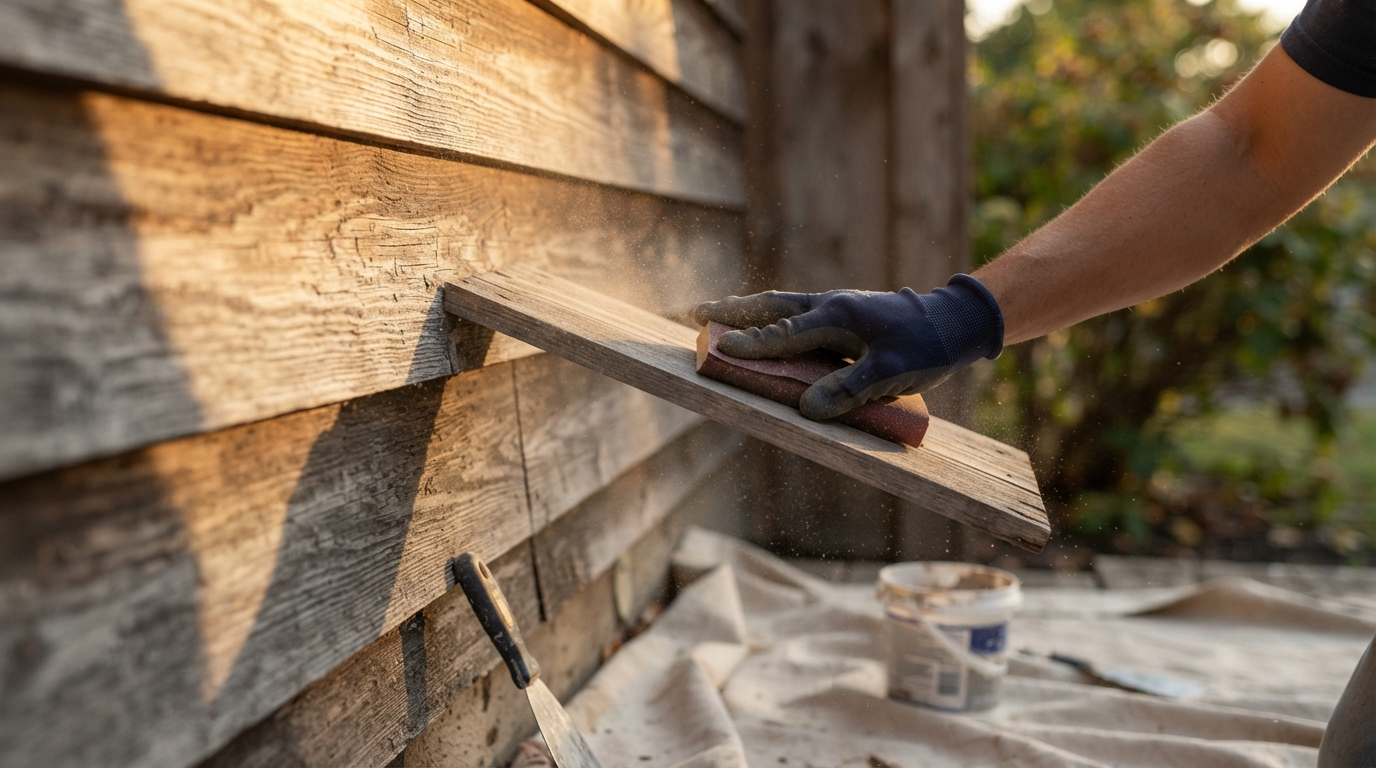
- Proper prep includes cleaning, repairing damage, sanding, and priming before any topcoat is applied.
- Older homes may require lead-safe prep practices under federal guidelines before painting can begin.
Surfaces that are cleaned, repaired, and properly primed hold paint longer because the coating has a stable base to bond to rather than dirt, chalk, or loose material. Professional painting services treat preparation as the foundation of the job, not a formality before the real work begins.
Many paint jobs deteriorate prematurely because of issues unrelated to the paint itself. Proper surface preparation is crucial to long-lasting results, and inadequate preparation often leads to coating failures; some industry estimates suggest it contributes to as much as 80% of these problems. This is why reliable Painting Services Los Osos CA prioritize cleaning, sanding, and priming surfaces before applying paint to achieve a durable, high-quality finish.
Why Preparation Determines Longevity
A fresh coat over a dirty or damaged surface may look fine for a few months before it starts peeling, blistering, or cracking. A poorly prepared surface can lead to early paint failure, unwanted adhesion issues, and even costly, time-consuming repairs.
Skilled crews approach prep as a sequence rather than a single task:
- Cleaning first. Before any painting work can begin, it is essential to clean the surface thoroughly, removing any dirt, grease, or other contaminants that may interfere with paint adhesion.
- Inspecting for damage. The surface should be examined for damages such as cracks, holes, or water damage that may need repair prior to painting, with filling and sealing ensuring a stable surface for the paint to adhere to.
- Curing new materials. All surfaces must be properly cured, clean, dry, and free of any contaminants that can interfere with coating adhesion.
Surface-Specific Preparation Steps
Different substrates need different handling, and treating every wall the same way is a common source of early failure.
| Surface Type | Key Preparation Requirement |
|---|---|
| Drywall | Joint compounds must be fully cured and properly sanded, with cracks and holes filled and sanded smooth |
| Plaster | Allow to cure for 30 days and confirm it has hardened before coating application |
| Masonry, stucco, concrete | Allow to cure for 30 days, with pH at 10 or lower prior to coating |
Once repairs are cured, dust removal becomes critical. Sanding dust must be removed prior to priming to ensure proper adhesion of the sealer coat. Skipping this step is one of the most common reasons a seemingly solid prep job still fails within a year.
Lead-Safe Practices for Older Homes
Homes built before certain decades require extra caution, since disturbing old paint layers can release hazardous dust. According to the EPA’s Lead-Based Paint Program guidance, if there is no surface preparation that disturbs the existing paint prior to painting, the RRP Rule does not apply, but if paint is disturbed by scraping or sanding while preparing the surface, the RRP Rule applies.
This distinction matters for homeowners hiring contractors. Minor touch-ups may fall outside the rule, since minor spot scraping or sanding can be considered minor repair and maintenance activities if no more than six square feet of paint is disturbed in any room or no more than 20 square feet on any exterior. Larger exterior repaints on older structures typically require certified lead-safe work practices, including containment and specialized cleanup, before any primer goes on.
Frequently Asked Questions
Why does surface prep matter more than the paint brand used? Even premium paint will fail prematurely on a surface that has not been cleaned, repaired, and primed correctly, since adhesion depends on the condition of the substrate, not the coating alone.
How long should repaired drywall or plaster cure before painting? Plaster generally needs about a month to cure fully, while drywall compound needs to be completely dry and sanded smooth before any primer is applied.
Does every older home need lead-safe painting practices? Only projects that disturb the existing painted surface through sanding or scraping trigger lead-safe requirements; simple recoating without disturbance typically does not.
What happens if primer is skipped after sanding? Dust left on the surface interferes with adhesion, which is one of the most common and avoidable causes of early peeling or blistering.
A Practical Next Step
Thorough preparation is the difference between a paint job that lasts a few seasons and one that holds up for years. Pacific Coast Painting & Design Inc. is a painting contractor offering residential and commercial interior and exterior painting along with decorative finishes for homes and businesses. Property owners weighing a repaint can review project details or ask questions directly through Pacific Coast Painting & Design Inc., and those ready to compare options can Click Here to learn more about scheduling a consultation.