What Every Pet Owner Should Know About Flea And Tick Control in Mt. Washington, KY

As a responsible pet owner, keeping your furry companions safe and healthy is a top priority. While regular veterinary care and a balanced diet are essential, many overlook the risks posed by fleas and ticks. These tiny pests are more than just a nuisance—they can transmit diseases and cause serious discomfort for both pets and their families. For those searching for effective solutions, Flea and Tick Control in Mt. Washington, KY, is a key phrase often used by residents seeking reliable protection for their pets and households.
Why Flea and Tick Prevention Matters
Fleas and ticks thrive in Kentucky’s warm, humid climate and can infest your home and lawn quickly. Both pests feed on animal blood, leading to itching, allergic reactions, and, in severe cases, anemia. Even more concerning, ticks are known carriers of diseases such as Lyme disease and Rocky Mountain spotted fever, which can affect both pets and humans. Early prevention and control are essential to minimize these risks.
Common Signs of Flea and Tick Infestation
Recognizing the early signs of an infestation can help prevent a small problem from becoming a major issue. Watch for:
Excessive scratching, licking, or biting
Red or irritated skin, especially around the neck and tail
Visible fleas or flea dirt (tiny black specks) in your pet’s fur
Ticks attached to your pet’s skin, often around the ears, neck, or paws
Hair loss or hot spots
If you notice any of these symptoms, it’s important to act quickly to protect your pet and home.
Effective Flea and Tick Control Strategies
A multi-layered approach is the most effective way to manage fleas and ticks in Mt. Washington, KY. Consider these strategies:
1. Regular Pet Treatments
Use veterinarian-recommended flea and tick preventatives, such as topical treatments, collars, or oral medications.
Check your pets for ticks after outdoor activities, especially if they’ve been in wooded or grassy areas.
Bathe and groom pets regularly to spot pests early.
2. Lawn and Home Maintenance
Keep grass mowed and remove brush or leaf piles where pests can hide.
Wash pet bedding and vacuum carpets frequently to remove eggs and larvae.
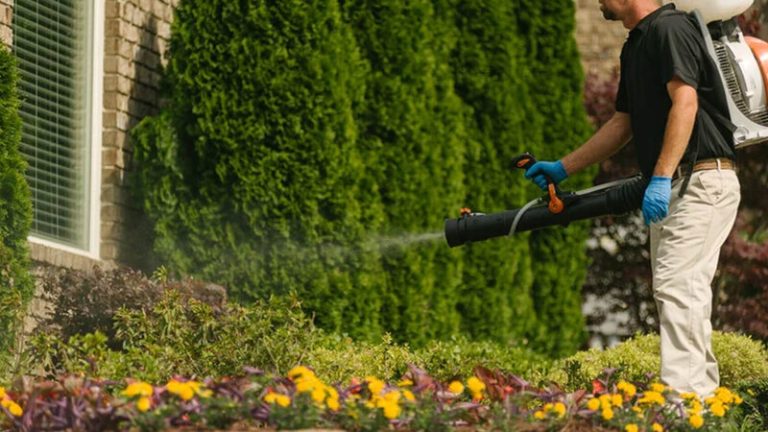
Treat your lawn with pet-safe pest control products, focusing on shaded and moist areas where fleas and ticks breed.
3. Professional Pest Control Services
For severe or persistent infestations, consider professional treatment options tailored for your property and pet’s needs.
Professionals can identify problem areas and apply targeted solutions that are safe for your family and pets.
Tips for Preventing Reinfestation
Consistency is key when it comes to flea and tick control. To keep your home and pets protected:
Stick to a regular preventative schedule year-round, not just in peak season.
Limit your pet’s exposure to high-risk areas, such as tall grass or wooded trails.
Inspect your pet after walks or outdoor play, removing any ticks promptly with tweezers.
Fleas and ticks pose significant health risks for pets and people alike, making prevention a crucial responsibility for every pet owner. By understanding the importance of early detection, using effective control methods, and maintaining a proactive approach, you can create a safer environment for your beloved animals. If you live in the area and want peace of mind, researching the best options for flea and tick control is a smart step toward keeping your pets happy, healthy, and with no pest.