The Essential Role of a Water Well Service Contractor in Well Maintenance
Essentially:
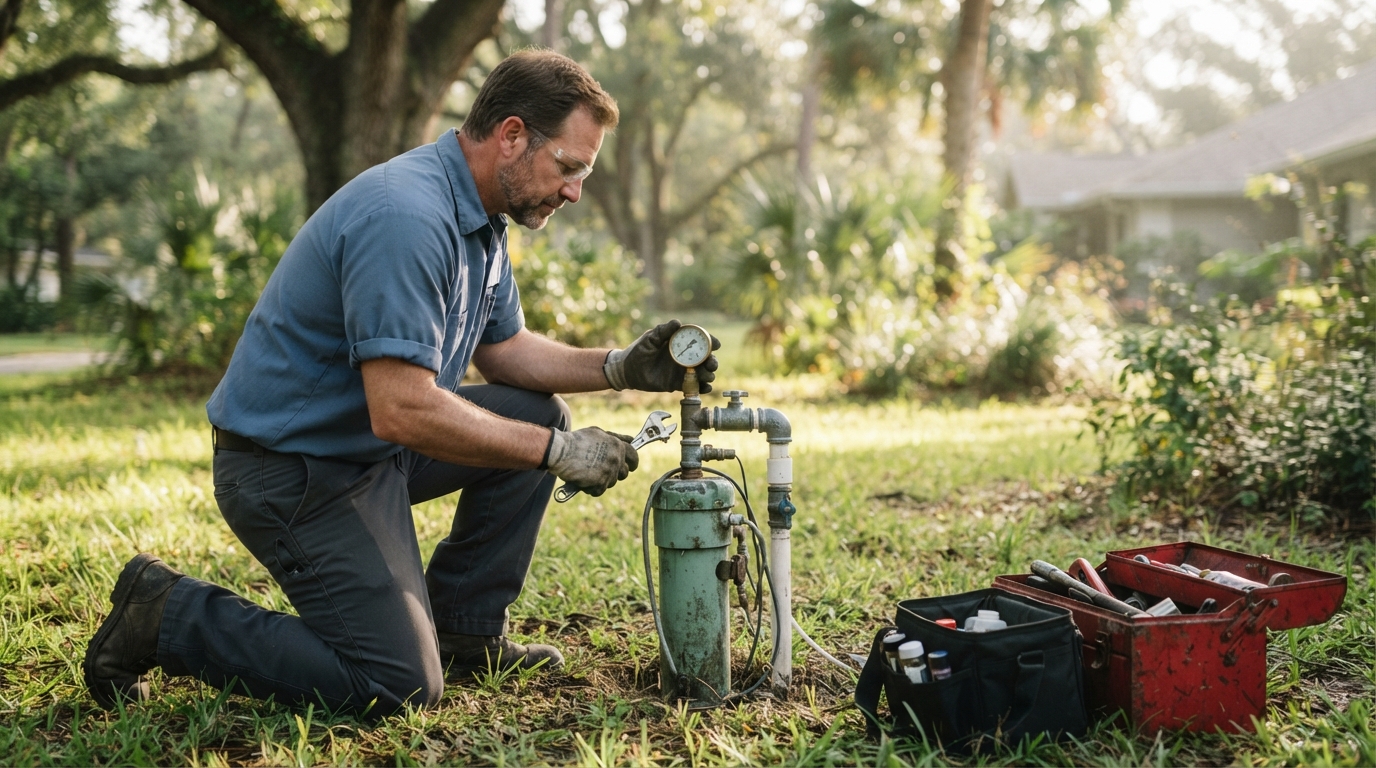
A water well service contractor inspects, tests, and maintains private well systems to protect water quality and keep pumps functioning reliably.
Routine inspections and annual water testing are the most practical ways well owners catch problems early.
A private water well requires periodic attention that goes beyond simply flipping a switch. A Water Well Service Contractor evaluates the condition of the well, tests water quality, and performs maintenance tasks designed to catch small issues before they become costly repairs or health hazards.
Well systems in Florida sit on top of a dynamic aquifer, and groundwater conditions can shift with rainfall, nearby construction, or aging infrastructure. Service work on a residential or commercial well generally falls into three categories: inspection, testing, and ongoing maintenance.
What a Service Visit Typically Covers
A standard service call addresses the mechanical and water-quality sides of a well system separately, since each requires different tools and expertise.
Water well inspections check casing integrity, pump function, and overall system condition to identify wear before it causes failure.
Water quality testing screens for bacteria, mineral content, and other indicators that affect safety and taste.
Routine maintenance services address the small adjustments and part replacements that keep a system running efficiently between major repairs.
These three service types are listed among the offerings for water well service, testing, inspections, and modifications, reflecting the core maintenance work most well owners need on a recurring basis.
Why Regular Testing Matters for Well Owners
Groundwater quality is not static, and private wells do not benefit from the same oversight applied to municipal water systems. Federal guidance reflects this gap directly: private wells fall outside the protections of the Safe Drinking Water Act, so testing responsibility rests with the property owner, according to the CDC’s guidelines for testing well water.
That guidance also recommends a baseline testing routine for anyone relying on a private well.
1. Test for nitrates at least once every year, regardless of well age or past results.
2. Check total dissolved solids, which affect taste, appearance, and the likelihood of mineral buildup on pipes and fixtures.
3. Retest after any known event, such as flooding, nearby chemical spills, or new land disturbance close to the wellhead.
Because contaminants and mineral content vary by location, a contractor familiar with regional groundwater conditions in Inverness, FL can help interpret results against what is typical for that specific area.
Maintenance Versus Emergency Service
Not every well issue requires an emergency response, but knowing the difference helps owners plan ahead rather than react under pressure.
| Situation | Service Type | Typical Timeline |
| Scheduled annual check | Routine maintenance/inspection | Planned in advance |
| Declining water quality or taste | Water quality testing | Within days to weeks |
| Sudden loss of water or pump failure | Emergency water well service | Same-day or urgent response |
Emergency situations, such as a sudden loss of water or significant pump failure, fall under a separate category of service designed for faster response than routine maintenance work.
Where Service Fits Into Well Ownership
Based in Brooksville, FL, the business behind this service area extends coverage to well owners across Inverness, FL, without maintaining a separate office there. For property owners weighing whether to schedule service, the decision often comes down to how long it has been since the last inspection and whether recent water quality results are on file. A documented testing history also supports any future property transaction, since buyers and lenders frequently request recent well records before closing.
Frequently Asked Questions
How often should a private well be inspected? Annual inspection paired with annual water testing is the baseline most well owners follow, though wells near new construction or land disturbance may need more frequent checks.
What does a water quality test usually screen for? A standard test typically checks for bacteria, nitrates, and total dissolved solids, with additional screening available depending on regional contaminant concerns.
Is well maintenance different from well drilling? Yes. Maintenance and inspection work addresses an existing well’s ongoing condition, while drilling involves installing a new well system entirely.
What should trigger an unscheduled inspection? A noticeable change in water taste, color, or pressure, along with any flooding or nearby excavation work, are reasonable triggers for an off-schedule check.
Note on Finding Service Details
Property owners researching well maintenance options can View Site for Water Well Service to explore available services, maintenance solutions, and service coverage in the area.