How to Plan for Renovation Waste with All In Dumpster Rentals
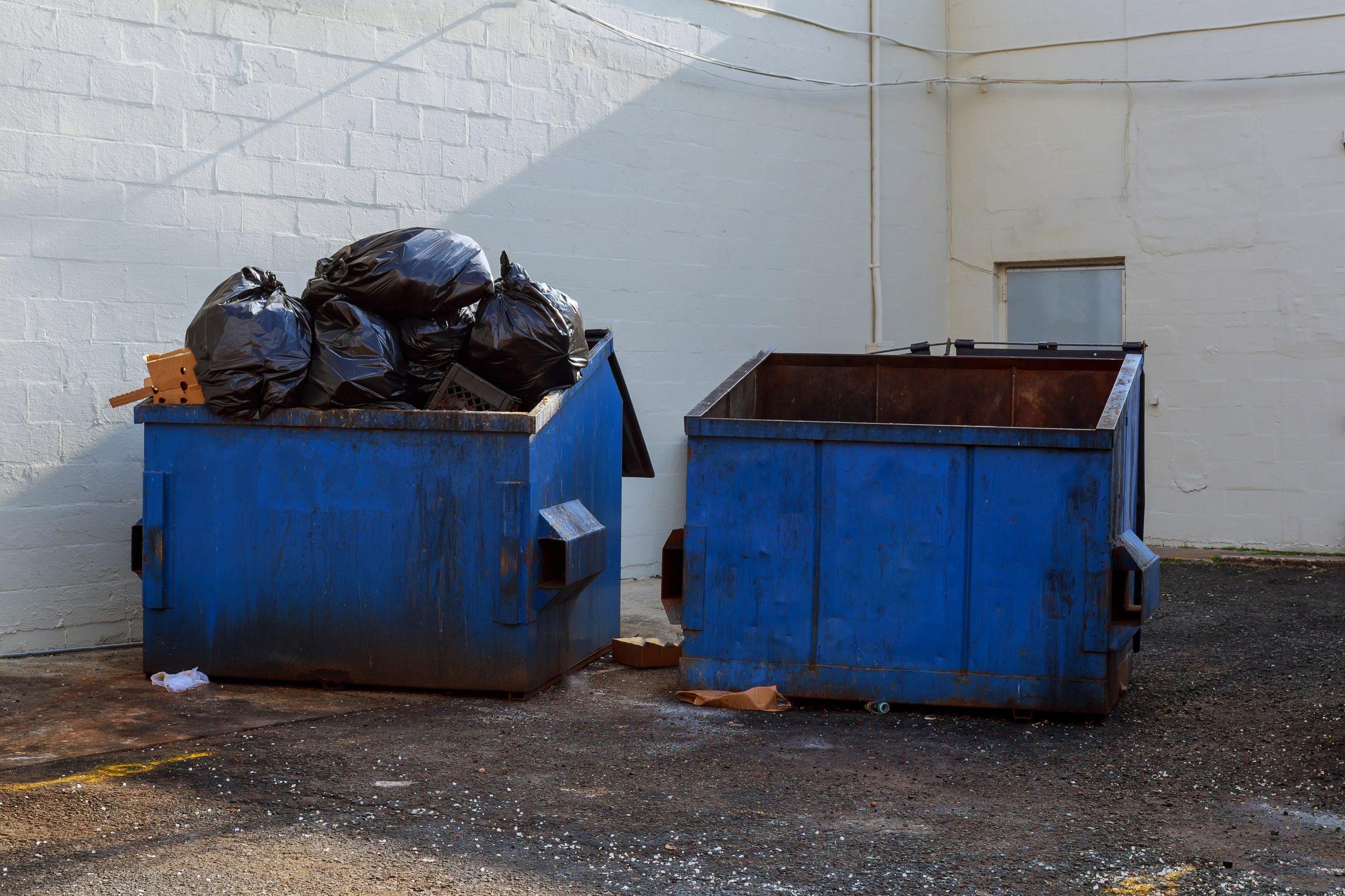
Old cabinets, drywall, and flooring can pile up quickly once demolition begins. Homeowners considering a garbage dumpster rental in Asheville, NC, can use the renovation timeline to decide what size container they need, where it should go, and when to schedule pickup. Before booking with All In Dumpster Rentals, it helps to make a room-by-room list of what will come out and when.
Estimate How Much Debris the Project Will Produce
Start by listing what will be removed from each room. A bathroom update might generate tile, drywall, and an old vanity. A kitchen remodel can add cabinets, countertops, flooring, and packaging from new materials. Include debris from later stages, such as flooring offcuts and empty boxes, when estimating how much space the project will need.
Consider weight as well as volume. Cabinets take up a lot of room, while dense materials such as tile, brick, and concrete can reach the container’s weight allowance before it looks full. Share the material list with the rental provider before choosing a size, especially if the project includes heavy debris.
Choose a Spot for Delivery and Pickup
A level, firm surface close to the work area can shorten the trip from demolition to disposal. Measure the proposed spot and check for gates, parked vehicles, low branches, and overhead wires. Ask the rental provider how much space the delivery truck needs to position and retrieve the container.
If the dumpster needs to sit on the street or in a public right-of-way, check local placement and permit requirements before scheduling delivery. Homeowners in an association should also review its rules. For driveway placement, ask the provider whether it recommends boards or other surface protection.
Confirm What Can Go in the Dumpster
Request a list of accepted materials before demolition starts. Wood, drywall, flooring, and cabinets are common renovation debris. Items such as paint, solvents, batteries, electronics, and appliances may require separate disposal. If the project could disturb asbestos-containing materials, consult a qualified professional before removing them.
Set aside items that need separate handling as they come out. When loading the dumpster, break down bulky items where practical, distribute the weight evenly, and keep debris below the fill line. A clear path to the container makes it easier for the crew to load debris throughout the project.
Match the Rental Period to the Renovation Schedule
Schedule delivery shortly before demolition and allow time for final cleanup. Material delays or unexpected repairs can shift the pickup date, so ask in advance how extensions work and how much notice the provider needs to collect the container.
For a project with distinct phases, estimate when each phase will produce the most debris. A single container may cover a short remodel. A longer project may need an exchange after demolition or a second delivery when work resumes.
Include Disposal in the Renovation Budget
Ask what the quote covers, including delivery, pickup, rental days, and the weight allowance. Confirm what an extension, an exchange, or excess weight would cost. These details make it easier to compare quotes and budget for disposal from demolition through final cleanup.
Before booking, have your debris list, placement measurements, and expected demolition dates ready. View All In Dumpster Rentals on Google Maps for contact details, then reach out to discuss the right dumpster size and rental period for your renovation.