How Regular Septic Tank Cleaning Protects Your Property Long-Term
Quick take:
Routine septic tank cleaning removes built-up solids that pumping alone leaves behind, reducing the risk of drain field damage and backups.
The EPA recommends septic inspections every one to three years and pumping every three to five years, depending on household size and tank capacity.
Skipping cleaning service can shorten the lifespan of a septic system and lead to costly drain field repairs.
Septic tank cleaning removes accumulated sludge, scum, and solids that routine pumping can leave behind, helping a system avoid premature wear and backups. Property owners who schedule Septic Tank Cleaning Service on a consistent basis typically avoid the higher repair costs associated with a saturated or failing drain field.
Septic systems in Zebulon, NC face conditions common to much of the Piedmont region, including clay-heavy soils and seasonal heavy rainfall that can slow drainage and strain an already full tank. A tank that has not been cleaned in several years loses capacity as solids accumulate, which forces wastewater toward the drain field before it has been properly treated.
Why Cleaning Differs From Pumping
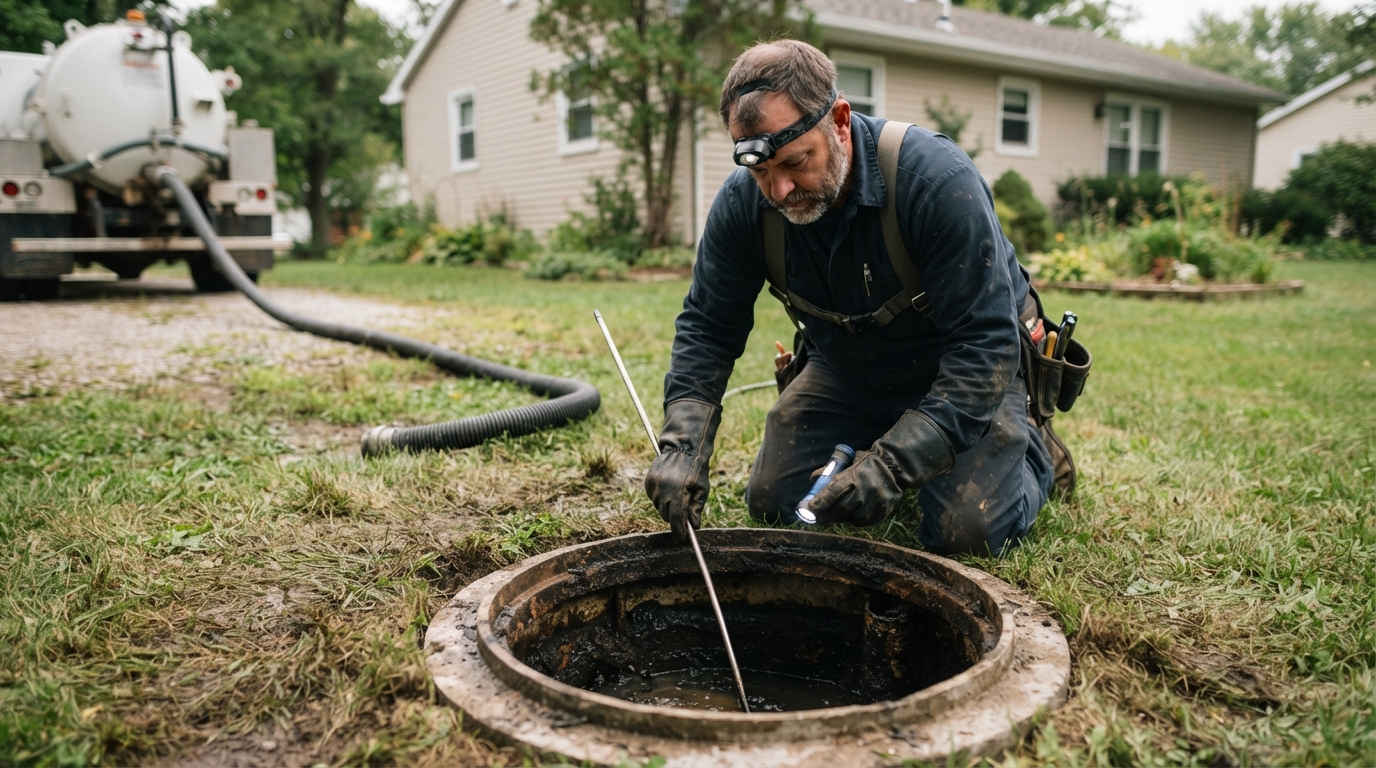
Pumping removes liquid waste and some solids, but it does not always clear the scum layer that clings to tank walls or fully empty compacted sludge at the bottom. Cleaning service typically includes:
Agitating and removing hardened sludge from tank walls and baffles
Inspecting and clearing the outlet filter
Checking for cracks, leaks, or structural wear inside the tank
Verifying that baffles are intact and functioning
Skipping this step over multiple pumping cycles allows solids to build toward the outlet, which raises the risk of clogs reaching the drain field.
Signs a Septic System Needs Attention
Homeowners do not need specialized equipment to notice early warning signs. Common indicators include:
1. Slow-draining sinks, tubs, or toilets throughout the house
2. Gurgling sounds in plumbing lines
3. Sewage odors near the tank or drain field
4. Standing water or unusually green patches over the drain field
According to EPA guidance on septic systems, a septic tank should generally be inspected every 1 to 3 years and pumped every 3 to 5 years. The agency also notes that pumping frequency depends on tank size, household size, water use habits, and the amount of solids that have accumulated in the tank.
Cleaning Frequency by Household Size
| Household Size | Typical Tank Size | General Service Interval |
| 1-2 people | 1,000 gallons | 4-5 years |
| 3-4 people | 1,000 gallons | 3-4 years |
| 5-6 people | 1,000-1,250 gallons | 2-3 years |
| 7+ people | 1,250+ gallons | 1-2 years |
These intervals are general estimates; a professional inspection remains the most reliable way to confirm when a specific tank needs service, since a rule of thumb is to pump the tank when solids reach two-thirds of the tank volume.
Business Info
Based in Wendell, NC, All American Septic serves customers throughout Zebulon, NC, providing septic pumping, cleaning, inspections, and repair services for residential and commercial properties. The company also offers 24-hour emergency assistance and has years of industry experience. Property owners can explore its services and contact information through the Read about Septic Tank Cleaning Service profile.
Frequently Asked Questions
How often should a septic tank be cleaned rather than just pumped? Cleaning is typically recommended alongside pumping every three to five years, though tanks that have gone many years without service may need a more thorough cleaning to remove hardened sludge that routine pumping misses.
What happens if a septic tank is never cleaned? Solids accumulate until they reach the outlet, allowing untreated waste to flow into the drain field, which can cause clogging, flooding, or permanent drain field failure.
Can heavy rainfall affect septic tank cleaning needs? Yes. Saturated soil from heavy rain can slow drainage and increase strain on a tank that is already near capacity, making regular service more important in wetter seasons.
Does household size change how often cleaning is needed? Yes. Larger households generate more wastewater and solids, which generally shortens the recommended interval between cleanings compared to smaller households with the same tank size.
Regular septic maintenance protects both the tank and the surrounding property from avoidable damage over time, and understanding local soil and rainfall patterns helps property owners plan a realistic service schedule.