Flooring for Seasonal Homes Left Closed All Summer in the West Valley
A home that sits closed from late spring to fall goes through conditions that a lived-in home rarely does. The air conditioning runs at a higher setting, nobody notices a slow leak, monsoon humidity creeps in, and sunlight bakes the same patch of floor every afternoon for months.
For part-year residents across Surprise, Sun City West, and the surrounding West Valley, those months can affect flooring in ways that only show up on return. Understanding how each type of floor responds helps owners choose materials that suit a seasonal schedule and take simple steps to protect what they already have.
What Happens Inside a Closed House During a Valley Summer
Most seasonal owners do not turn the air conditioning off completely. They raise the thermostat to save energy while still keeping the house from overheating. That compromise is reasonable, but it means the interior runs warmer for months than it ever does when people are home.
The outdoor conditions are what make that setting matter. Valley summers bring long stretches of triple-digit heat that can start in late spring and run well into fall. When the outside air stays that hot day after day, the system works harder, attic and wall temperatures climb, and a higher thermostat setting leaves less room for error if the system falters.
Heat and sunlight on the same spots
Windows facing south and west let in direct afternoon sun. With nobody opening and closing blinds, the same section of floor near a patio door or picture window can heat up well beyond the rest of the room, day after day. Over a full season, that concentrated heat and light can fade materials and push some floors to expand more in one area than another.
Monsoon humidity and dust
The National Weather Service defines Arizona’s monsoon season as June 15 through September 30. During those months, humidity can rise sharply in a matter of hours, and dust storms can push fine soil through door gaps and vents. A closed home still breathes. Moisture and dust settle on floors even when no one walks on them.
Problems that nobody sees
The biggest risk in an empty home is time. A weeping supply line under a sink, a refrigerator water line, or a condensate drain that backs up can run for weeks before anyone notices. Floors near kitchens, laundry rooms, and bathrooms carry the most exposure.
How Different Floors Handle a Long, Hot Absence
No flooring is ruined by one empty summer. Each material, though, has its own weak points, and knowing them tells owners what to watch for and where to invest.
Wood laminate
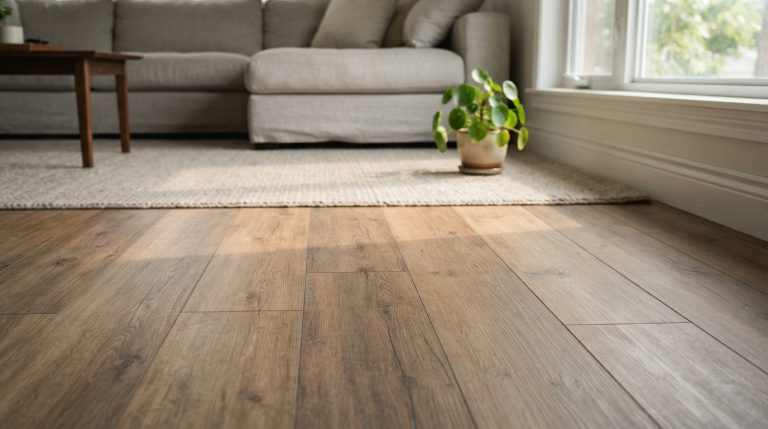
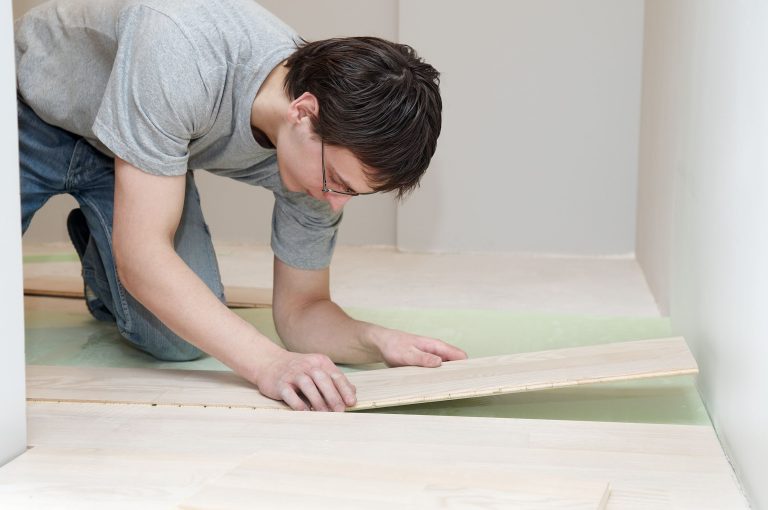
Wood laminate has a fiberboard core with a printed, protected surface layer. It brings the look of wood at a lower cost, but its core reacts to temperature and humidity. That is why laminate is installed as a floating floor with an expansion gap around the edges of the room. The gap lets the planks move without pushing against the walls.
Many laminate manufacturers list a required indoor temperature and humidity range in their installation and warranty terms. Those conditions typically apply for the life of the floor, not only on installation day. For a seasonal owner, that detail matters. A thermostat set high for the summer may fall outside the range a particular product allows. Checking the product’s paperwork before leaving is a simple way to avoid voiding coverage.
Water is laminate’s other weakness. Standard laminate does not tolerate standing water well, and a slow leak that goes unnoticed for weeks can cause swelling at the plank edges that will not reverse once it dries.
Ceramic and porcelain tile
Tile is about as stable as flooring gets in a hot, closed house. It does not mind high indoor temperatures, it is not harmed by humidity swings, and porcelain in particular absorbs very little water. Dust wipes away, and sun exposure does not fade fired tile the way it can fade other surfaces.
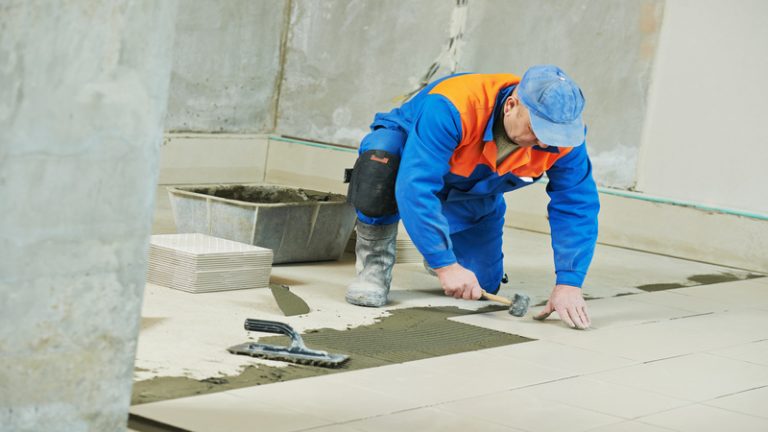
Tile does still move slightly with heat, which is why proper installation matters. The Tile Council of North America’s guidelines call for movement joints around the perimeter of a tiled floor and closer spacing of joints in rooms where direct sunlight heats the tile. When those joints are missing, tile that heats and cools repeatedly can crack or lift, a failure sometimes called tenting. In a home where a sunny room bakes all summer with no one around, careful tile installation is what keeps the floor quiet and flat.
Carpet
Carpet handles heat well, and the Valley’s generally low humidity is not a problem for it. The concerns are dust and light. Fine monsoon dust settles into the pile while the house is empty, and carpet near unshaded windows can fade over a long season of direct afternoon sun. A thorough cleaning after the owners return removes what accumulated, and window coverings reduce fading.
Choosing Flooring With a Part-Year Schedule in Mind
When a seasonal home is due for new floors, the household’s calendar deserves as much weight as color and style. The best choice often differs from room to room.
Wet and high-risk areas. Kitchens, laundry rooms, and bathrooms are where an unnoticed leak does the most damage. Tile flooring installation in these rooms reduces the risk of a costly surprise, because ceramic and porcelain tolerate water far better than fiberboard-core products.
Sun-exposed rooms. Living areas with large south- or west-facing windows take the hardest summer beating. Tile holds up well here if the installation includes proper movement joints. Wood laminate can work too, as long as window coverings limit direct sun and the owner can keep the home within the product’s required climate range.
Bedrooms and quiet spaces. Carpet remains a comfortable choice for bedrooms that see little sun. It softens sound, feels warm underfoot in winter, which is exactly when seasonal residents are home, and simply needs a good cleaning when the house reopens.
Whole-home consistency. Some owners prefer a single hard surface throughout for a clean look and easy upkeep. In that case, wood-look tile is worth considering, since it offers the appearance of plank flooring with the heat and moisture tolerance of tile.
Homeowners weighing these options often find it helpful to talk with a contractor who handles several materials, since the comparison is more honest when the installer is not tied to one product. Planning flooring installation around a seasonal schedule also helps with timing. Scheduling tile installation in the fall, after the hottest months and before winter residents fill local calendars, gives the work and any curing time room to happen without rushing.
A Simple Routine for Leaving and Returning
A few habits go a long way toward protecting floors in a home that sits empty for the summer.
Before leaving for the season
- Check the flooring paperwork for any required temperature and humidity range, and set the thermostat with that range in mind.
- Shut off the main water supply, or at least the supply lines to the washer, ice maker, and toilets.
- Close blinds or shades on south- and west-facing windows to limit direct sun on the floor.
- Vacuum carpet and sweep hard floors so dust does not settle on top of existing soil.
- Arrange for a neighbor, friend, or home-watch service to check the house periodically, including under sinks and around the water heater.
After returning in the fall
Walk every room before unpacking. On laminate, look for planks that have lifted at the edges, separated, or developed a raised ridge along the seams. On tile, listen for hollow-sounding spots and look for cracked grout or tiles that seem raised. On carpet, check for fading near windows and for musty odors that could point to moisture underneath.
A heavy layer of monsoon dust is normal after a summer away. Vacuuming removes the loose layer, and a professional carpet and tile cleaning can reset the floors before the busy winter season. Any sign of water damage, swelling, or lifted tile is worth having inspected before it spreads.
Plan Floors Around How the Home Is Actually Used
A seasonal home asks more of its floors than a year-round house does. Months of heat, monsoon humidity, dust, and unwatched plumbing all test the materials underfoot. The right combination of tile, wood laminate, and carpet, installed carefully and matched to each room, lets owners lock the door in spring and come back in fall to floors that still look and perform the way they should.
Before replacing flooring in a part-year home, it helps to walk each room with the schedule in mind: where the sun lands, where water could leak, and which spaces get used most during the winter months.
For homeowners in Surprise and nearby West Valley communities, Surprise Carpet Cleaning and Flooring offers flooring installation for carpet, tile, and wood laminate, along with carpet and tile cleaning. Their owner-operated team can be reached at (602) 770-7400 for flooring installation quotes or (623) 341-3167 to schedule cleaning when the house reopens for the season.