Dumpster Rental Planning for Attic Insulation Removal
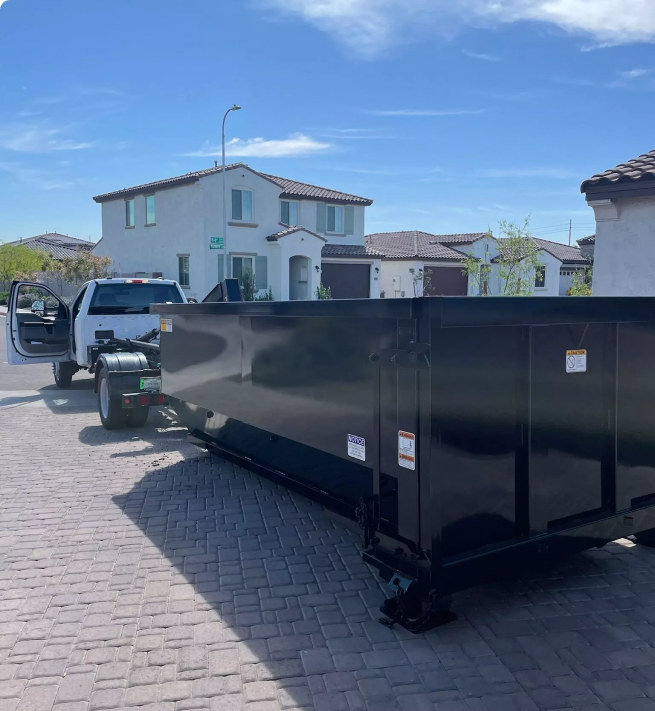
A dumpster rental for attic insulation removal provides a designated container for collecting approved insulation and related renovation debris. Effective planning requires identifying the insulation material, estimating its volume, confirming disposal requirements, and preparing an accessible location for the container.
Removing attic insulation can generate more material than expected, especially when insulation covers a large area or has been installed in multiple layers. A clear waste plan helps keep removed materials contained and reduces the amount of debris stored around the home during the project.
What Types of Attic Insulation May Be Removed?
Attics may contain fiberglass batts, blown-in fiberglass, cellulose, spray foam, mineral wool, or older insulation materials. Each type behaves differently during removal.
Fiberglass batts can take up considerable space because they are bulky. Loose-fill insulation may spread easily if it is not bagged or contained before being moved through the home. Spray foam may remain attached to roof decking or framing and can produce irregular pieces when removed.
The insulation type also affects disposal requirements. Homeowners should identify the material before arranging a waste dumpster rental. If the material is unknown, particularly in an older property, it may need to be evaluated before work begins.
Suspected asbestos-containing insulation, contaminated materials, chemicals, and other regulated substances should not be treated as ordinary household or construction debris. A qualified professional can help determine whether testing or a separate disposal process is necessary.
Why Should Insulation Be Evaluated Before Dumpster Delivery?
A dumpster should not arrive before the waste stream is understood. If the insulation cannot be placed in a standard container, scheduling a dumpster too early may create delays and unnecessary complications.
Evaluation should answer several questions:
What kind of insulation is present?
• How old is the insulation?
• Is there evidence of moisture or mold?
• Has the attic experienced rodent or pest activity?
• Are multiple insulation layers present?
• Will drywall, wood, ducts, or other materials also be removed?
• Does the insulation require special handling?
The answers help determine whether a standard dumpster is appropriate and how much container space may be required. Customers should describe the material accurately when contacting a rental provider and obtain confirmation before placing it in the container.
How Can Homeowners Estimate the Debris Volume?
Square footage provides a starting point, but it does not tell the entire story. Insulation depth, density, and removal method can significantly affect the final waste volume.
Blown-in insulation may appear compact while installed, but it can occupy more space after collection. Fiberglass batts can create large gaps when they are placed in a container without being arranged carefully. Bagging requirements may also increase the amount of space the material consumes.
Estimate the project by documenting:
The attic’s approximate square footage
• The average insulation depth
• The insulation type
• The number of visible layers
• Whether the material will be bagged
• Additional renovation debris
• Packaging from replacement insulation
Photographs can help a dumpster rental provider understand the scope. However, the estimate should account for unexpected material beneath the visible insulation and debris generated while accessing damaged areas.
Where Should the Dumpster Be Placed?
The container should be placed on a stable, accessible surface. The delivery area must provide enough clearance for the roll-off truck and allow the container to be retrieved when the project is complete.
Driveways are commonly considered, but the property should be inspected for overhead utility lines, low branches, roof overhangs, gates, parked vehicles, and irrigation features. The access route should remain open throughout the rental period.
The dumpster should also support the project workflow. Workers may move bagged insulation through a garage, exterior attic access, or another designated route. Placing the container reasonably close to that route can reduce handling without blocking doors, sidewalks, equipment, or emergency access.
Peoria homeowners should also consider wind exposure. Loose insulation should remain contained while it is transported from the attic to the dumpster. Debris should not be left uncovered around the property where it can spread to neighboring areas.
How Should Attic Insulation Be Prepared for Loading?
Removal crews should follow applicable safety practices and material-handling requirements. Depending on the insulation, workers may use containment bags, protective clothing, respiratory protection, vacuums, or other equipment.
Approved insulation should be prepared according to the rental provider’s instructions. Loose materials should not be thrown into an open container where wind can carry fibers or particles away. Bags should be closed securely and checked for tears before being moved outside.
The load should remain below the dumpster’s fill line. Additional materials, such as damaged drywall or wood, should be distributed carefully so the container does not become unbalanced. Heavy debris should not be concentrated in one area.
Homeowners should also prevent unrelated household waste from being added during the project. Clear communication with family members and workers can help ensure that only approved debris enters the dumpster.
What Other Debris Can an Insulation Project Reveal?
Insulation removal may expose problems that were previously hidden. Moisture-damaged wood, deteriorated drywall, damaged duct materials, old wiring components, pest debris, or abandoned items may be discovered.
These materials should be evaluated before they are added to the container. An insulation dumpster should not automatically become a general disposal area for everything found in the attic.
If the project expands, the rental provider should be contacted. Added debris can change the container’s volume and weight requirements. It may also introduce materials that require separate handling.
How Does Rental Timing Affect the Project?
Delivery should be coordinated with the removal schedule. If the container arrives too late, bags of insulation may accumulate in the driveway, garage, or yard. If it arrives too early, it may occupy space before the work area is ready.
Homeowners should confirm the project start date, expected removal duration, and pickup requirements. Weather, attic access, material testing, or unexpected repairs can extend the timeline.
Zona Dumpster Rentals provides a residential dumpster rental option for projects in Peoria, subject to container availability and material approval. Customers should explain that the project involves attic insulation so they can confirm whether the intended debris is accepted.
Plan the Waste Process Before Insulation Removal Begins
Before starting an attic insulation project in Peoria, identify the material, check for contamination concerns, estimate the debris volume, and prepare an accessible placement area. Contact a local dumpster provider with the project details to confirm material acceptance, container availability, delivery timing, and loading requirements before removal begins.