Can You Replace a Windshield If There Is Rust Around the Glass?
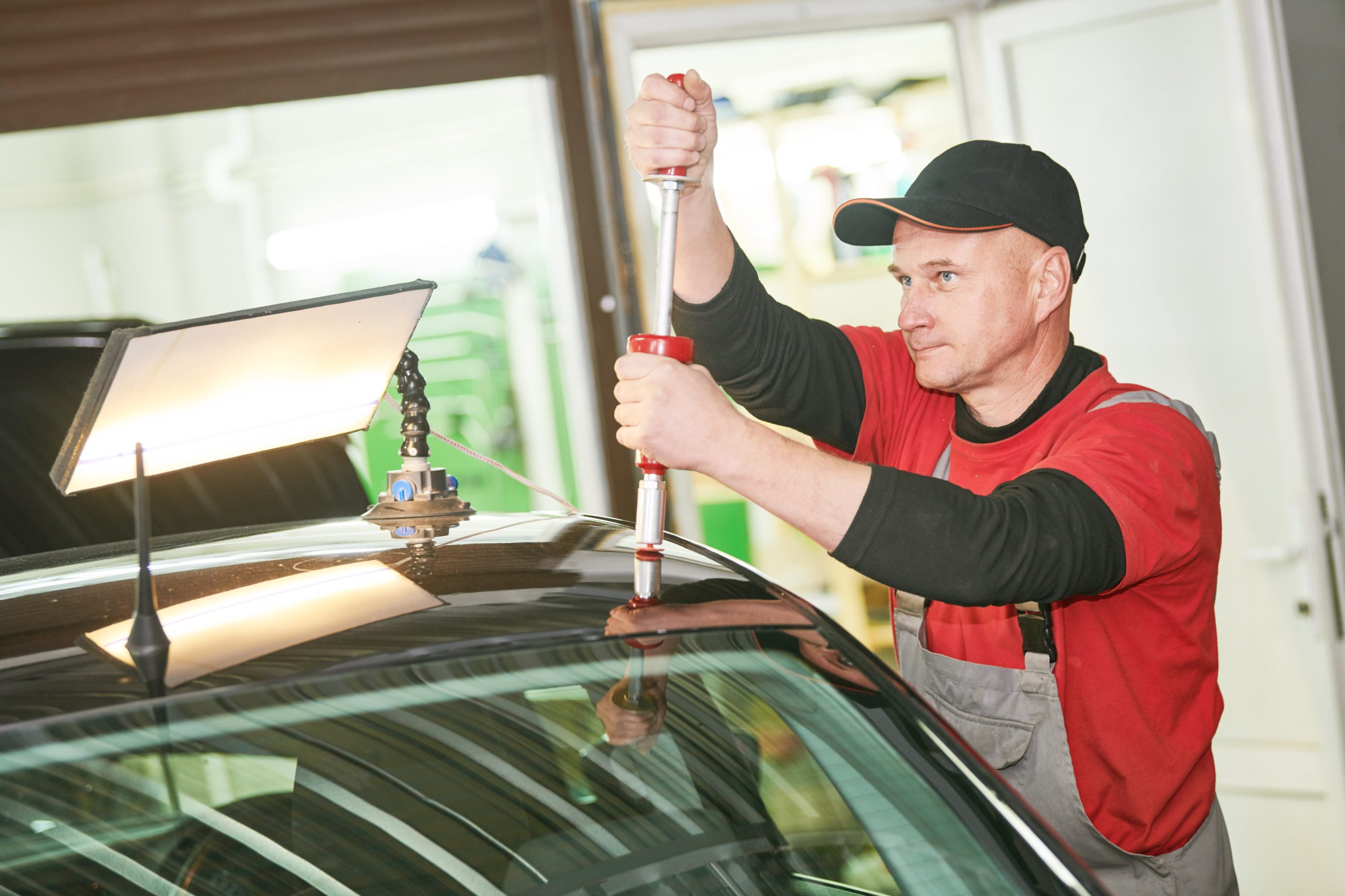
A windshield can sometimes be replaced when rust is present around the glass, but the corrosion must first be evaluated to determine whether the surrounding metal is still suitable for a proper installation. Minor surface corrosion may be treatable as part of the preparation process, while extensive rust, deep pitting, holes, or weakened metal may require professional body repair before the new windshield can be installed.
For vehicle owners, discovering rust during a Windshield Replacement can be unexpected. The glass may look like the main problem from the outside, yet once the old windshield is removed, corrosion can sometimes appear along the metal mounting area hidden beneath the glass, molding, or old adhesive.
That condition matters because a replacement windshield depends on more than the glass itself. The surrounding surface has to provide a suitable foundation for the adhesive system used to secure the windshield to the vehicle.
Understanding how technicians assess corrosion can help drivers know why a seemingly routine replacement may occasionally require additional evaluation.
Where Does Rust Around a Windshield Usually Develop?
Windshields on many modern vehicles are bonded to a metal flange surrounding the glass opening. This area is commonly called the pinchweld.
Much of the pinchweld is hidden once the windshield is installed, which means a driver may not see corrosion developing underneath the edge of the glass.
Rust can begin when bare metal is exposed to moisture and oxygen. Potential contributing factors can include:
- Scratches or damage to protective paint or coatings
- Previous glass removal or installation damage
- Aging bodywork
- Existing corrosion that continued beneath the windshield
- Prior body repairs
- Moisture reaching exposed metal
In some cases, visible rust around a windshield can give an early indication of a larger issue. In others, the extent of the corrosion may not be clear until the old glass has been removed.
Why Does Rust Matter During Windshield Replacement?
The windshield adhesive must bond to an appropriate, properly prepared surface.
If corrosion has compromised that surface, simply applying new adhesive over the rust is not an appropriate solution. The installer first has to determine the condition of the metal and whether it can be properly prepared.
This is important because the windshield is designed to remain securely attached to the vehicle.
Rust can interfere with that goal in several ways. Corrosion may damage the coating that protects the metal, create an unstable bonding surface, or progressively reduce the thickness and strength of the underlying metal.
The concern is therefore not whether rust looks unattractive. The concern is whether the surrounding structure provides an appropriate surface for the replacement glass and adhesive system.
Can Minor Surface Rust Be Treated Before Installation?
In some situations, yes.
Light surface corrosion does not necessarily mean that a vehicle cannot receive a replacement windshield. When the underlying metal remains structurally sound and the corrosion has not caused significant material loss, technicians may be able to remove and properly treat the affected area according to the requirements of the adhesive system being used.
The exact procedure depends on the condition of the vehicle and the products involved.
Professional installation guidance generally distinguishes between lighter corrosion and more serious conditions involving deep pitting or metal loss.
That distinction is important. A small area of surface oxidation and a section of metal that has rusted through are not the same problem and should not be treated as though they are.
When Can Rust Prevent Immediate Windshield Replacement?
Replacement may need to be postponed when the corrosion has significantly weakened the metal surrounding the windshield.
Examples can include:
- Deep rust pitting
- Holes in the pinchweld
- Sections where metal thickness has been substantially reduced
- Loose or deteriorated metal
- Extensive corrosion around the bonding area
In these situations, an auto glass technician may determine that the vehicle needs body repair before the windshield installation can continue.
The purpose of postponing the installation is not simply to make the area look better. The bonding surface needs to be restored to a condition suitable for installing the new glass.
A body repair facility may need to reconstruct, repair, or replace damaged metal before the vehicle returns for Auto Glass Replacement.
Can New Windshield Adhesive Simply Cover the Rust?
No. Covering corrosion with windshield adhesive does not correct the underlying problem.
Adhesive systems are designed to bond to surfaces prepared according to specific installation requirements. Loose rust, compromised paint, deteriorated coatings, and weakened metal can interfere with that bond.
This is one reason corrosion needs to be identified and addressed rather than concealed beneath new material.
Drivers may never see the bonding surface once the new windshield is installed, but that hidden area is an important part of the installation.
A professional Windshield Replacement therefore involves evaluating the condition of the mounting area rather than treating the job as simply removing one sheet of glass and inserting another.
Why Might Rust Be Found Only After the Old Windshield Comes Out?
Much of the windshield mounting area is hidden.
A vehicle owner may see a small rust spot near the edge of the glass without knowing how far the corrosion extends underneath. Moldings, adhesive, and the installed windshield can conceal sections of the pinchweld.
Once the old glass is removed, the technician has a clearer view of the surrounding metal and existing adhesive.
That inspection may reveal:
- Previously hidden corrosion
- Scratches in the painted surface
- Deteriorated prior adhesive
- Previous repair work
- Damage from an earlier windshield installation
- Areas where moisture reached exposed metal
For this reason, a technician may not always be able to determine the full extent of a rust problem before removing the windshield.
A driver should be prepared for the possibility that additional work could be identified once the glass opening is exposed.
Can a Previous Windshield Replacement Contribute to Corrosion?
It is possible.
During windshield removal, tools are used close to painted metal surfaces. If the protective coating is scratched deeply enough to expose bare metal and the damaged area is not properly treated, corrosion can potentially develop over time.
That does not mean every vehicle with windshield rust had a poor previous installation. Corrosion has multiple possible causes, including age, prior body damage, environmental exposure, and earlier repairs.
However, installers pay close attention to scratches and exposed metal because protecting the bonding area is important during Auto Glass Replacement.
If evidence of an earlier installation problem is discovered, the technician may need to address that condition before proceeding.
What If Rust Appears Next to a Windshield Crack?
The crack itself and the corrosion are separate issues, although both can influence what happens next.
The crack determines whether the existing windshield may need repair or replacement. The rust affects whether the vehicle’s mounting surface is ready to accept replacement glass.
A driver may initially seek Windshield crack repair, only to discover that the condition of the windshield or surrounding area requires a different approach.
For example, if the crack has progressed beyond a repairable condition, replacement may be recommended. If corrosion is then found after removal, that corrosion has to be evaluated before the new windshield is installed.
This is why diagnosing the glass and inspecting the vehicle are both important parts of the process.
Does Arizona’s Climate Mean Windshield Rust Is Impossible?
No.
Mesa is known for a dry desert climate, but that does not mean vehicle corrosion cannot occur.
Vehicles are exposed to water from rain, washing, irrigation overspray, condensation, and travel to other climates. A vehicle may also have spent part of its life in a different region before arriving in Arizona.
Corrosion depends on the condition of the metal and its protective coatings, not simply the city where the vehicle is currently registered.
A used vehicle in Mesa, for example, may have previously been driven for years in an area with much wetter conditions or winter road treatments.
Rather than assuming rust should or should not exist because of the local climate, the practical approach is to evaluate what is actually present on the vehicle.
Should Drivers Try to Remove Windshield Rust Themselves?
Generally, the windshield bonding area is not a good place for improvised rust treatment.
Sanding, grinding, applying household rust products, painting, or sealing the area without understanding the windshield adhesive system can create additional problems.
The appropriate preparation process depends on factors such as:
- Severity of corrosion
- Whether metal has been lost
- Condition of surrounding paint
- Adhesive manufacturer requirements
- Whether previous repair materials are present
- Whether bodywork is required
If rust is visible before an appointment, drivers can photograph it and mention it when scheduling service. That gives the auto glass provider useful information without altering the area first.
What Happens If the Rust Is Too Severe for the Glass Technician to Correct?
The vehicle may need to go to a qualified body repair facility.
Severe corrosion is no longer simply an auto glass preparation issue when the structural metal itself is damaged. If holes, major pitting, or significant metal loss are present, the damaged area may need to be repaired or reconstructed.
Once the body repair is properly completed and the bonding surface is suitable, the Windshield Replacement can proceed.
This can make the overall repair take longer than originally expected, but installing a windshield onto severely compromised metal would not solve the underlying issue.
Drivers should think of the body repair and glass installation as two different stages addressing two different problems.
What Should You Tell an Auto Glass Provider If You See Rust?
Mention the corrosion when requesting service.
Useful information can include:
- Where the rust is visible
- Approximately how large the area appears
- Whether there are bubbles beneath nearby paint
- Whether any metal appears loose or perforated
- Whether the windshield has previously been replaced
- Whether the vehicle has had body repairs around the roof or windshield opening
Photos may also help provide an initial view.
The final assessment may still require removal of the old glass because hidden corrosion can extend beyond what is visible from outside.
Being upfront about the condition simply helps the technician prepare for the possibility that additional evaluation will be required.
Does Rust Automatically Mean You Need a New Windshield?
Not by itself.
Rust around the windshield and damage to the windshield are different conditions.
A driver might notice corrosion around otherwise intact glass, or a technician might discover rust during replacement that was already required because of a major crack or other damage.
Whether the glass needs repair or replacement should be based on the condition of the glass. Whether the surrounding metal requires treatment or body repair should be based on the condition of the vehicle.
Keeping those decisions separate prevents the presence of rust from becoming an automatic reason to replace otherwise serviceable glass.
What Should Drivers Expect When Rust Is Found?
The next step depends primarily on severity.
With limited surface corrosion, appropriate preparation and treatment may allow the windshield installation to continue.
With deeper or more extensive corrosion, the technician may recommend that the surrounding metal be repaired before new glass is installed.
The important point is that rust should not simply be hidden underneath a replacement windshield.
A proper installation needs both suitable replacement glass and a suitable surface to which that glass can be bonded.
For Mesa drivers, identifying corrosion early can make the process easier to understand and reduce surprises once the old windshield is removed. When there is uncertainty, having both the glass damage and surrounding vehicle condition professionally evaluated is more useful than assuming every rust problem requires the same solution.
About Jays Autoglass LLC
Jays autoglass is a fully insured, owner-operated auto glass business located in Mesa, Arizona, with a focus on mobile windshield replacement, glass repair and replacement, and ADAS recalibration when required. Vehicle owners can call or text (602) 413-2541 for service information or find their office on Google Maps for their Mesa location.