A Complete Guide to Understanding Auto Radiator Repair Services
Key takeaway:
- An auto radiator repair service diagnoses and fixes cooling system problems such as leaks, clogs, and overheating to prevent costly engine damage.
- Common warning signs include a rising temperature gauge, visible coolant puddles, and steam from under the hood.
- Repair costs and timelines depend on whether the issue involves a leak, a clog, or structural damage to the radiator itself.
A vehicle’s cooling system keeps the engine running within a safe temperature range, and when it fails, the consequences can escalate quickly from a minor leak to major engine damage. An Auto Radiator Repair Service addresses these cooling system failures before they turn into expensive repairs.
Radiators rarely fail without warning. Recognizing the early signs can mean the difference between a routine fix and a replacement engine, and understanding what a technician actually checks helps car owners make informed decisions about repair versus replacement.
Common Signs a Radiator Needs Attention
Cooling system problems tend to show a pattern of symptoms rather than one single failure point. Watching for these signs early can prevent a minor issue from becoming a major engine repair.
- Engine overheating: A temperature gauge climbing into the red zone or a dashboard warning light signals the radiator is not dissipating heat properly, and this pattern often starts intermittently during stop-and-go traffic or hot weather, then progressively worsens.
- Coolant leaks or low fluid levels: A coolant reservoir that needs frequent topping off usually points to a slow leak from the radiator, a hose, or the radiator cap.
- Discolored or rusty coolant: Contaminated coolant can indicate internal corrosion that reduces the radiator’s cooling efficiency.
- Steam from under the hood: This typically means the engine has already begun overheating and requires immediate attention.
- Unusual noises: Knocking or rattling sounds near the cooling system can point to a failing component before a full breakdown occurs.
What Causes Radiator Problems
Several mechanical issues can lead to the same overheating symptoms, which is why an accurate diagnosis matters before any repair work begins.
- Clogged fins or passages: Debris, rust, and sediment accumulate inside the radiator over time, obstructing the coolant flow and reducing the radiator’s efficiency in dissipating heat.
- Failed radiator cap: A cap that cannot maintain pressure allows coolant to boil at a lower temperature, causing intermittent overheating.
- Cracked or bent fins: Physical damage to the radiator body restricts airflow and reduces cooling performance.
- Faulty thermostat or water pump: These related components can produce overheating symptoms that mimic radiator failure, which is why a full cooling system check is often necessary.
Chicago, IL drivers face a wide swing between humid summer heat and freezing winters, conditions that place extra strain on coolant systems and radiator components throughout the year. The National Highway Traffic Safety Administration maintains general vehicle maintenance and safety guidance that includes cooling system upkeep as part of routine care.
Repair or Replace: How the Decision Is Made
Not every radiator problem calls for a full replacement. The table below outlines general factors technicians weigh when recommending repair versus replacement.
| Factor | Likely Repair | Likely Replacement |
|---|---|---|
| Radiator age | Relatively new, no deep structural rust | Over 8-10 years old with repeated overheating |
| Damage type | Minor leak, hose, or cap issue | Warped or bulging radiator body |
| Coolant condition | Occasional top-offs needed | Chronic low fluid despite repairs |
| Cost comparison | Repair cost is modest relative to replacement | Repair cost approaches replacement cost |
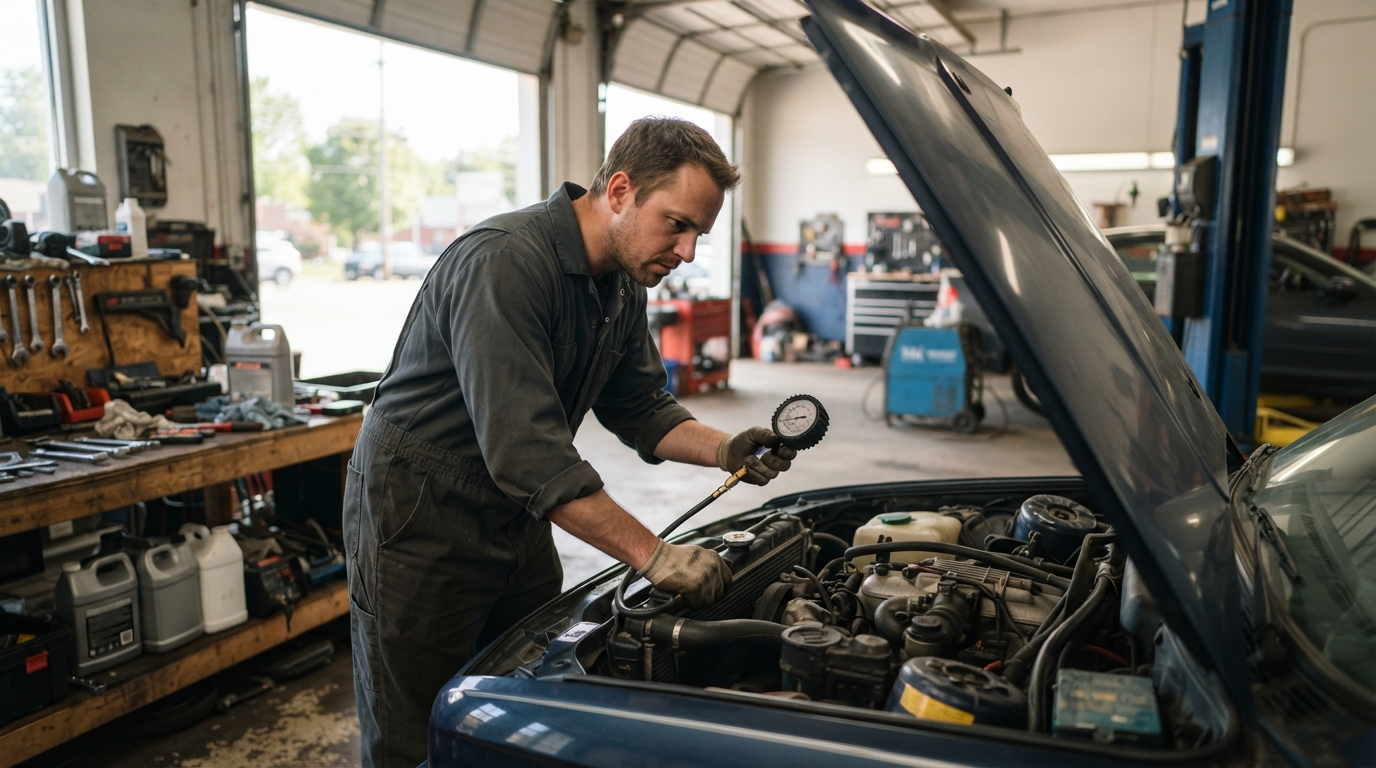
A technician typically starts by pressure-testing the system to locate leaks, then inspects the fins, hoses, cap, and thermostat before recommending a course of action. Based in Bensenville, IL, the auto radiator repair service from this provider extends coverage to vehicle owners throughout Chicago, IL, following the same diagnostic process for identifying leaks, clogs, and structural damage.
Frequently Asked Questions
How do I know if my radiator needs repair instead of just a coolant top-off? Persistent overheating, visible leaks, or coolant that needs frequent refilling are signs the issue goes beyond a simple top-off and likely requires inspection.
Can I keep driving with a radiator that is leaking? Driving with a compromised radiator risks further coolant loss and overheating, which can lead to serious engine damage, so it is not advisable to continue operating the vehicle until it is checked.
What is typically inspected during a radiator repair appointment? A technician generally checks coolant levels, pressure-tests the system for leaks, and examines the radiator cap, hoses, fins, and thermostat for damage or wear.
Does radiator repair also involve other cooling system parts? Yes, issues with the thermostat or water pump can produce overheating symptoms similar to radiator failure, so related components are often examined during the same visit.
Business Info
Rex Radiator operates from Bensenville, IL, providing automotive radiator repair service to vehicle owners across the surrounding region.