The Practical Benefits of Using Spiral Paper Tubes and Cores
Briefly:
- Spiral wound paper tubes and cores offer a strong, customizable, and recyclable alternative to plastic or metal packaging components for shipping, winding, and display applications.
- Manufacturers produce these tubes in a wide range of inside diameters, wall thicknesses, and lengths to fit specific industrial uses.
- Paper-based tubes support sustainability goals while maintaining the structural strength needed for transit and storage.
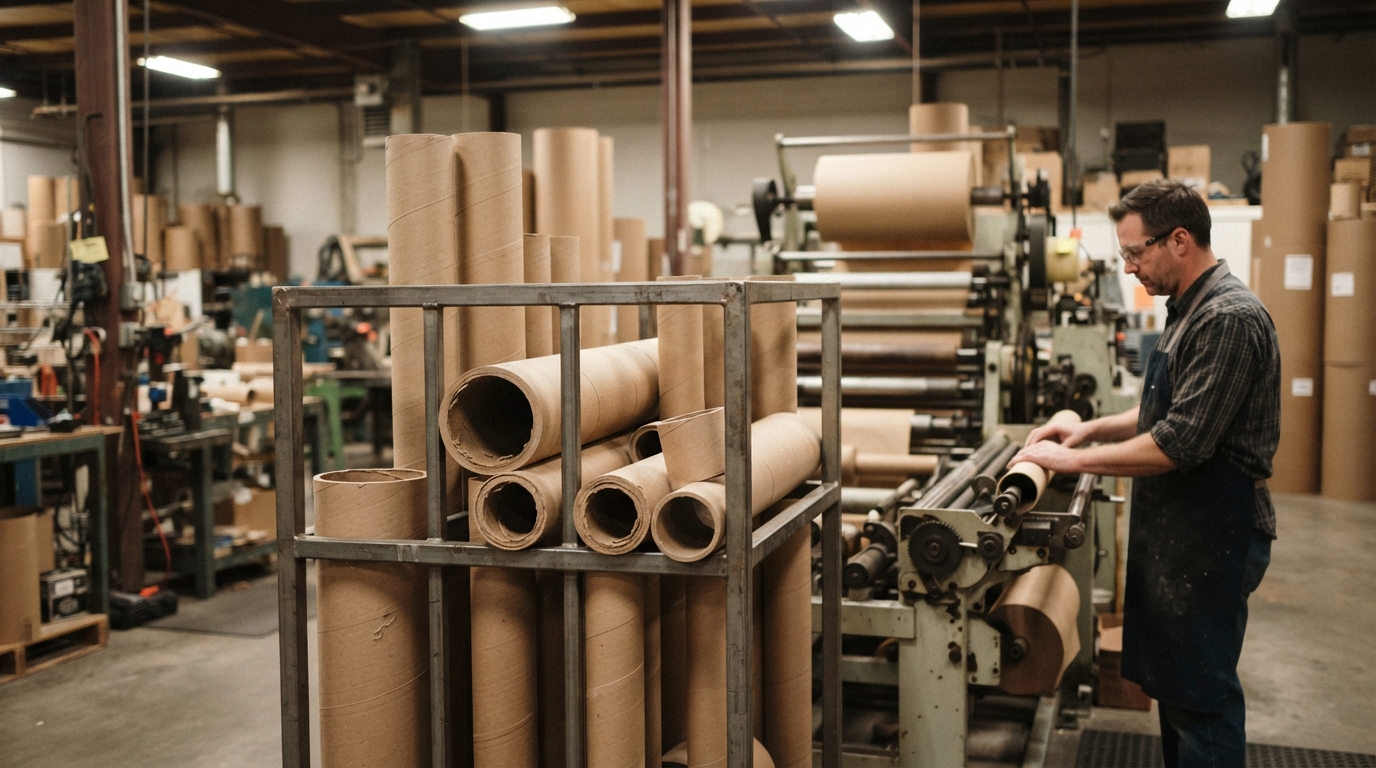
Businesses that ship, store, or wind products often weigh paper against plastic or metal for core components. Spiral paper tube and core products by Callenor are manufactured using a spiral winding process that layers paperboard into a durable, cylindrical form suited for packaging, shipping, and industrial winding applications. This method allows manufacturers to adjust wall thickness, diameter, and length to match the load and handling requirements of a given product.
Spiral winding differs from convolute tube production, which wraps a single flat sheet around a mandrel rather than layering strips at an angle. Industry suppliers note that specialization in the production of spirally wound paper tubes and cores is common among manufacturers that do not operate convolute equipment. The spiral method generally produces tubes with consistent wall strength across varying sizes, which matters for applications ranging from mailing tubes to industrial winding cores.
Why Spiral Winding Matters for Strength and Fit
The spiral winding process builds tube walls from multiple overlapping paperboard plies, which distributes stress more evenly than a single-wrap design. This construction supports several practical outcomes:
- Custom sizing : Manufacturers can produce tubes with inside diameters ranging from .375 inches to 12.625 inches, wall thickness from .030 inches to .500 inches, and length from .250 inches to 52 feet.
- Load-bearing capacity : Thicker walls support heavier shipping loads or industrial winding tension.
- Dimensional consistency : Spiral construction tends to hold its shape under repeated handling, which matters for automated packaging lines.
These specifications allow paper tubes to serve purposes well beyond basic shipping, including use as winding cores for film, tape, and textile applications.
Common Applications Across Industries
Paper tube and core products are not limited to one sector. Based on documented manufacturing capabilities, typical uses include:
1. Shipping and mailing tubes for documents, posters, and rolled goods.
2. Winding cores for adhesive tape, labels, stretch film, and shrink wrap.
3. Retail display poles used in store fixtures and point-of-sale displays.
4. Specialty cores , including those used for cremation and other niche industrial purposes.
Because the same spiral winding equipment can adjust size and wall thickness, a single manufacturing process can serve a packaging company, a film converter, and a retail display producer without retooling for entirely different materials.
Comparing Paper Tube Options
|
Tube Type |
Typical Use |
Construction Method |
|
Spiral wound tubes |
Shipping, winding, display poles |
Layered paperboard plies wound at an angle |
|
Convolute tubes |
Lower-volume specialty wraps |
Single flat sheet wrapped around a mandrel |
|
Mailing tubes |
Document and poster shipping |
Spiral wound with end closures |
Spiral wound construction remains the more common choice among manufacturers producing high volumes of custom-sized tubes, largely because the layered approach accommodates a broader range of diameters and wall thicknesses within one production method.
Sustainability Considerations
Paperboard tubes are generally recyclable where paper recycling infrastructure exists, which positions them as an alternative to plastic cores in some packaging applications. The U.S. Environmental Protection Agency provides general guidance on what paper-based materials are accepted in curbside and facility recycling programs, which can inform how a business handles end-of-life tube disposal. Businesses across the USA evaluating packaging materials often weigh recyclability alongside strength requirements when selecting between paper, plastic, and metal core options.
Frequently Asked Questions
What sizes do spiral paper tubes come in? Inside diameters, wall thickness, and length vary by manufacturer specification, with some producers offering diameters from under half an inch to more than a foot, and lengths up to several dozen feet.
Are spiral wound tubes the same as convolute tubes? No. Spiral winding layers paperboard strips at an angle to build the tube wall, while convolute winding wraps a single flat sheet around a mandrel; the two require different equipment.
What industries use paper cores besides shipping? Tape and label converting, film winding, textile winding, and retail display manufacturing all use paper cores sized to their specific equipment and product requirements.
Can paper tubes be customized for specific equipment? Manufacturers typically adjust diameter, wall thickness, and length to match automated handling or winding equipment used by a given customer.
Need custom paper tubes or cores for shipping, packaging, retail displays, or industrial winding? Callenor Company, Inc. in Menomonee Falls, Wisconsin, manufactures spiral-wound paper products in a range of diameters, wall thicknesses, and lengths to suit different applications. Contact the team to discuss your specifications and find a paper tube solution that fits your operational requirements. Visit Callenor Company, Inc. on Google Maps for business details and contact information.