A Homeowner’s Guide to Planning an Exterior House Painting Project
In brief:
- Exterior repaints typically involve surface inspection, prep work (scraping, sanding, caulking), priming bare areas, and two coats of finish paint.
- Homes built before 1978 may require lead-safe work practices under federal rules before any scraping or sanding begins.
- Planning around Fayetteville, NC’s climate, choosing durable paint, and scheduling during dry, moderate-temperature stretches all affect how long a finish lasts.
A well-planned exterior house painting project starts with an honest assessment of the home’s current siding condition, followed by proper prep work, climate-appropriate scheduling, and a finish coat matched to the material being painted. Skipping any one of these steps is the most common reason a paint job fails early.
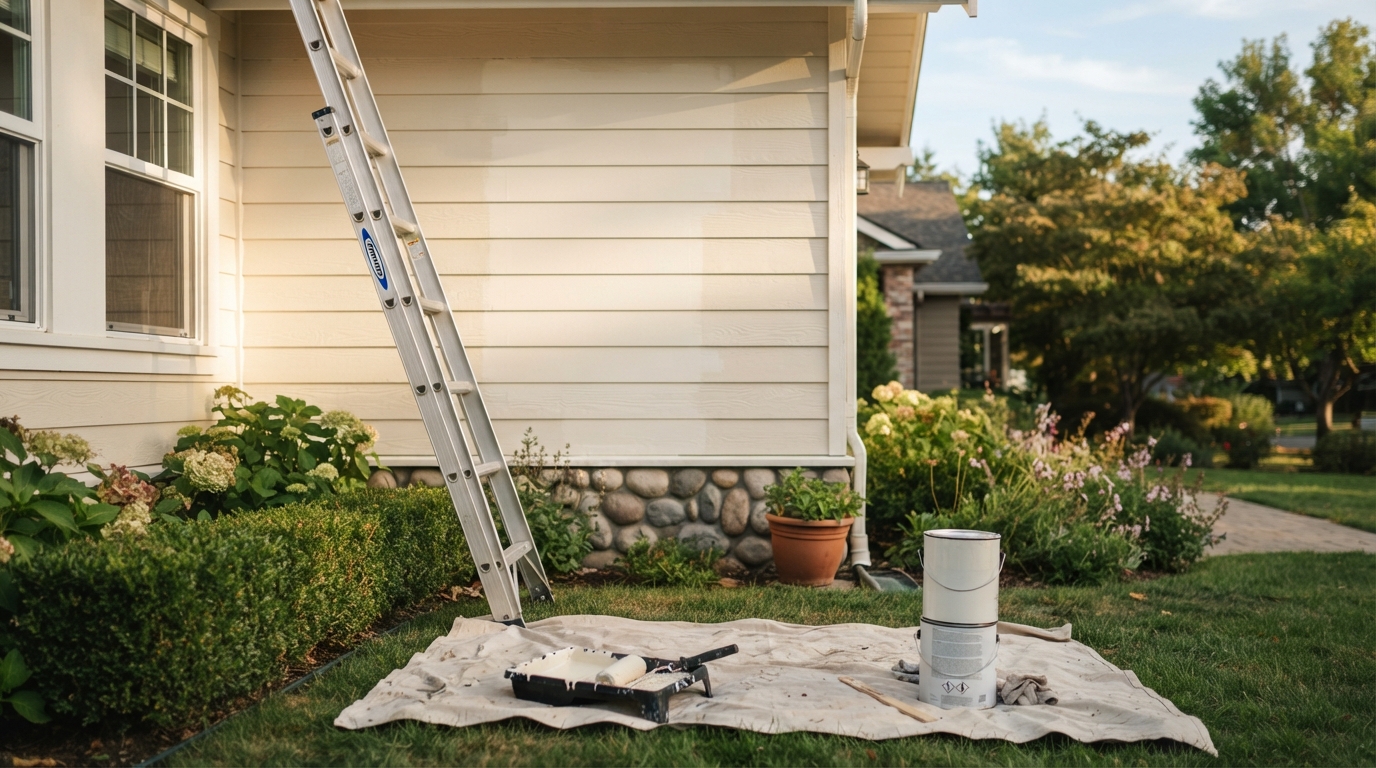
Before hiring anyone, it helps to understand what the work actually involves. Improve outdoor curb appeal with fresh paint generally includes pressure washing or scraping away loose material, patching rotted or damaged wood, caulking gaps, priming bare spots, and applying at least two coats of exterior-grade paint. Homeowners who understand this sequence are better equipped to evaluate quotes and avoid contractors who skip prep to save time.
Assessing Your Home Before Painting Begins
A walk-around inspection should happen before any paint is purchased. Look for these common warning signs:
- Peeling, cracking, or bubbling paint on siding, trim, or soffits
- Soft or discolored wood near gutters, window sills, and porch posts
- Chalky residue that rubs off when you touch the siding
- Gaps in caulking around windows, doors, and trim joints
Homes built before 1978 carry an additional consideration. Paint applied before that year may contain lead, and federal guidelines require specific precautions before disturbing more than a small area of exterior surface. According to EPA enforcement guidance, the Renovation, Repair, and Painting Rule protects residents of pre-1978 homes from lead paint hazards disturbed during repair or painting work. Homeowners with older properties in Fayetteville, NC should ask any contractor whether their crew follows lead-safe practices before scraping or sanding begins.
Timing the Project Around Local Weather
Paint manufacturers specify temperature and humidity ranges for proper curing, and ignoring those windows shortens the lifespan of the finish. In the Fayetteville area, late spring and early fall tend to offer the most consistent stretches of moderate temperatures and lower humidity, which support better paint adhesion. Projects scheduled during peak summer humidity or sudden cold snaps risk uneven drying and premature peeling.
| Season | Typical Conditions | Painting Suitability |
| Spring (Mar-May) | Mild temps, occasional rain | Good, with flexible scheduling |
| Summer (Jun-Aug) | High heat and humidity | Fair, early morning work preferred |
| Fall (Sep-Nov) | Cooler, drier air | Good, often ideal |
| Winter (Dec-Feb) | Cold, unpredictable | Poor, curing issues likely |
Choosing Materials and Preparing for Longevity
Surface material affects both prep requirements and paint selection. Wood siding needs more aggressive scraping and priming than vinyl or fiber cement, while brick and stucco often call for masonry-specific primers. A few practical considerations:
- Match paint sheen to the surface: flat or satin finishes hide imperfections on older wood, while semi-gloss holds up better on trim exposed to moisture.
- Confirm the number of coats included in a quote; one coat over bare primer rarely provides adequate coverage or warranty protection.
- Ask whether caulking and minor wood repair are included, since these details often separate a lasting job from a short-lived one.
Business Info
Garner’s Painting Service, based in Fayetteville, NC, is a BBB-accredited painting contractor. According to its BBB listing, the company has been accredited since March 2008. Garner’s Painting Service has also been noted by third-party directories as offering residential and commercial painting, along with pressure washing and wood repair, in the Fayetteville area.
Frequently Asked Questions
How long does an exterior paint job typically last? Longevity depends on surface material, prep quality, and local climate exposure, but well-prepped wood or fiber cement siding generally holds a finish longer than surfaces painted without priming or caulking.
Do I need to test for lead paint before repainting an older home? If a home was built before 1978, federal rules generally require either lead testing by a certified professional or treating the project as lead-safe work before scraping or sanding more than a minor area.
What time of year is best for exterior painting in Fayetteville, NC? Moderate temperatures and lower humidity in spring and fall generally create the most reliable curing conditions, though early morning summer work can also succeed if humidity is low.
Can I paint over chalky or peeling siding without prep? No. Chalky residue and peeling paint prevent proper adhesion, so scraping, washing, and priming are necessary steps before new paint is applied.
Homeowners planning an exterior repaint can use a pre-project checklist, confirm lead-safety practices for older homes, and schedule work during a stable weather window to support a longer-lasting result.