How Long-Distance Towing Works for Safe, Reliable Vehicle Transport
Summary first:
Long-distance towing moves a vehicle beyond local city limits, typically using flatbed equipment for stability and reduced wear over highway miles.
Pricing and timing depend on distance, vehicle type, and road conditions, with dispatch coordination keeping the process predictable.
Federal safety rules govern coupling devices, driver qualifications, and equipment standards once a tow crosses state lines.
Moving a vehicle across county or state lines calls for more planning than a routine local tow. Long-distance towing involves securing the vehicle properly, mapping a safe route, and coordinating timing so the car, truck, or motorcycle arrives without added wear or damage.
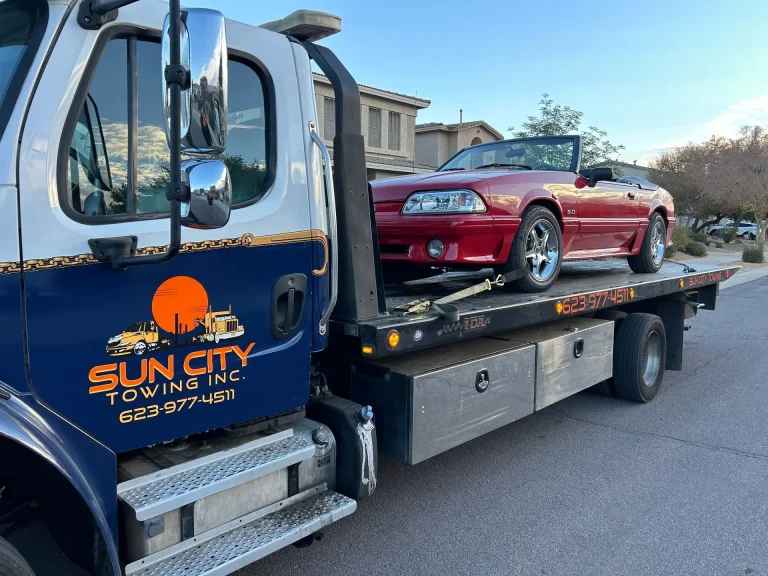
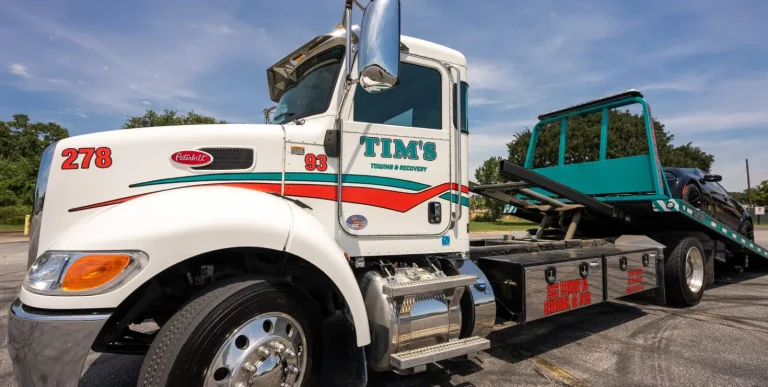
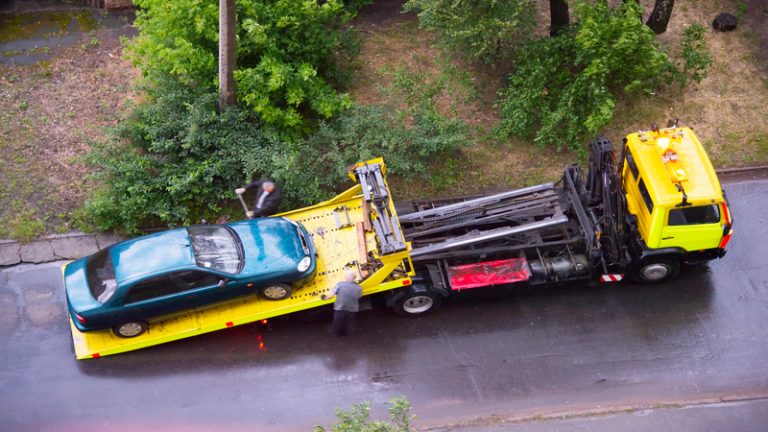
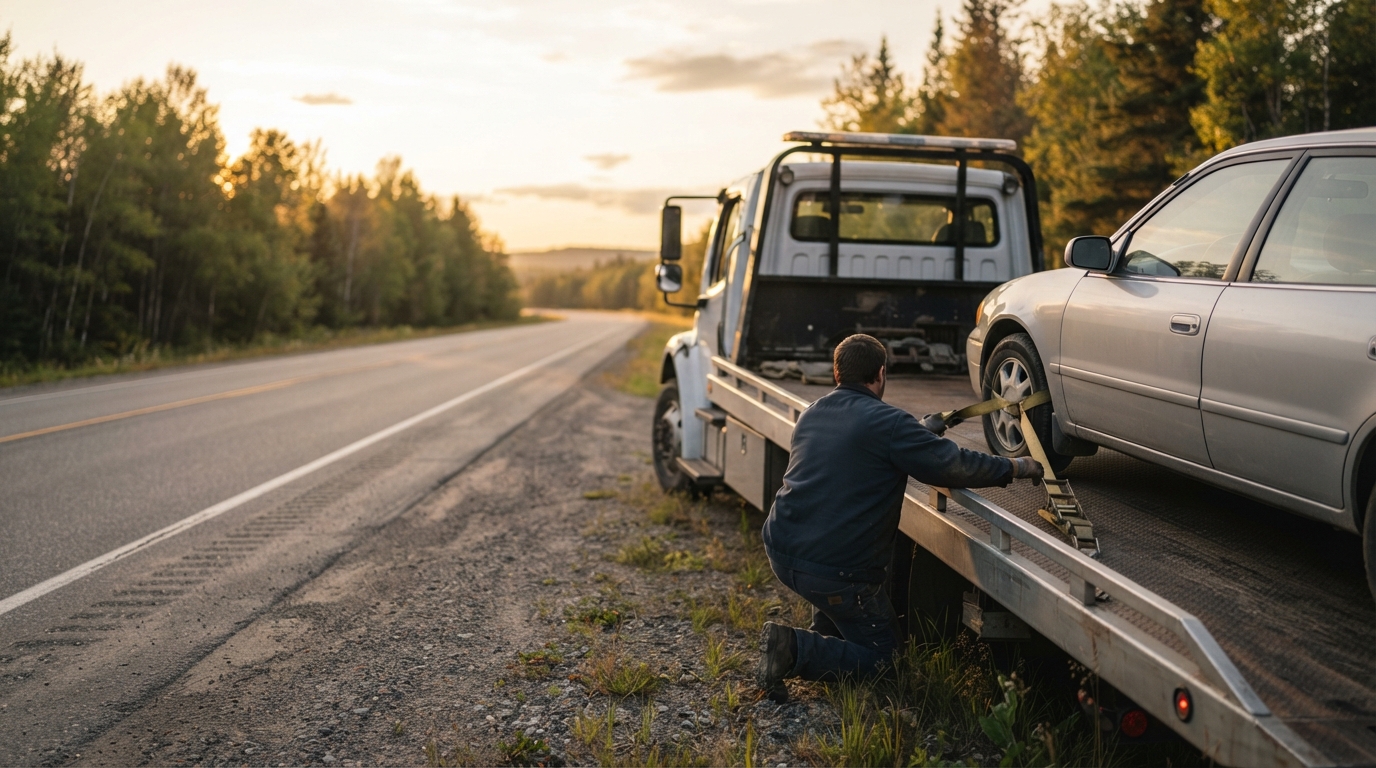
A company offering local and long-distance towing typically relies on flatbed equipment, since it lifts the entire vehicle off the road rather than dragging two wheels for hundreds of miles. This reduces tire wear, transmission strain, and exposure to road debris during extended trips. Drivers who need a vehicle moved from Indianapolis to another region, or who are relocating and cannot drive two vehicles at once, often turn to this type of service instead of attempting a DIY tow.
What Makes Long-Distance Towing Different From a Local Tow
A short tow across town and a multi-hour highway transport are not the same job, even though both involve moving a disabled or relocating vehicle.
Equipment : Flatbed trailers are preferred for longer hauls because they keep the full vehicle stationary and level.
Route planning : Dispatchers account for highway conditions, weigh stations, and rest stops along the way.
Time windows : Long hauls require realistic arrival estimates rather than same-hour promises.
Vehicle type : Motorcycles, heavy-duty trucks, and standard cars each need different securing methods.
These differences matter because a vehicle sitting on a flatbed for three or four hours faces different stresses than one towed a few miles to a repair shop.
Safety Standards That Apply to Interstate Transport
Once a tow crosses state lines, federal oversight comes into play. The Federal Motor Carrier Safety Administration sets requirements for coupling devices and towing methods, including minimum strength standards for safety chains and cables used to secure a towed vehicle. These rules exist to prevent separation between the towing vehicle and the load, particularly during sudden stops or highway speeds.
A reputable towing provider trains operators on proper coupling, weight distribution, and securement techniques that align with these federal guidelines, even for trips that stay within a single state but cover significant mileage.
Comparing Local and Long-Distance Towing Options
| Factor | Local Towing | Long-Distance Towing |
| Typical distance | Under 25 miles | 25+ miles, often crossing counties or states |
| Preferred equipment | Wheel-lift or flatbed | Flatbed for stability |
| Planning needed | Minimal, often same-hour | Route and timing coordination |
| Common use cases | Breakdowns, accidents, impound moves | Relocation, dealership transfers, out-of-area repairs |
This comparison highlights why longer hauls require more coordination between the customer and the towing company before the truck ever leaves the yard.
What to Expect From Dispatch to Delivery
A long-distance tow generally follows a predictable sequence:
1. Initial call and vehicle details – make, model, condition, and pickup and drop-off locations.
2. Equipment assignment – matching the vehicle to a flatbed or appropriate heavy-duty trailer.
3. Securement and inspection – checking straps, chains, and load balance before departure.
4. Transport – following the planned route with periodic check-ins on longer trips.
5. Delivery confirmation – verifying the vehicle’s condition upon arrival.
Clear communication at each step helps avoid surprises, especially when a vehicle is being moved for a sale, relocation, or repair that cannot wait.
Frequently Asked Questions
How far counts as long-distance towing? There is no single industry definition, but most towing companies treat any haul beyond their immediate local service area, often 25 miles or more, as long-distance.
Is flatbed towing required for long trips? It is strongly preferred for longer hauls because it eliminates wheel contact with the road, reducing mechanical stress compared to dolly or wheel-lift towing.
Does long-distance towing cost more than local towing? Pricing typically reflects mileage, vehicle size, and route conditions, so costs vary by trip rather than following a flat local rate.
Can motorcycles or heavy equipment be moved long distance? Yes, provided the towing company has the appropriate flatbed or trailer equipment and experienced operators for that vehicle type.
Vehicle owners who need a car, motorcycle, or heavier load moved beyond the local area benefit from asking about equipment type, estimated timing, and securement methods before booking. JR’s Services And Recovery LLC provides towing, roadside assistance, and recovery services for drivers and businesses who need a dependable plan for moving a vehicle safely, whether the trip is across town or farther down the highway. For details on current offerings and coverage, Visit Website or reach out directly to ask about scheduling and route options.