Reliable Air Conditioner Repair Guidance for Homeowners
Summary first:
A failing air conditioner in Gardena usually points to one of a few common causes: low refrigerant, dirty filters or coils, electrical faults, or a struggling condenser unit.
Licensed HVAC technicians diagnose the exact issue first, then repair or replace the specific component rather than the whole system.
Routine filter changes and annual coil cleaning are the most effective ways homeowners can delay the need for a repair call.
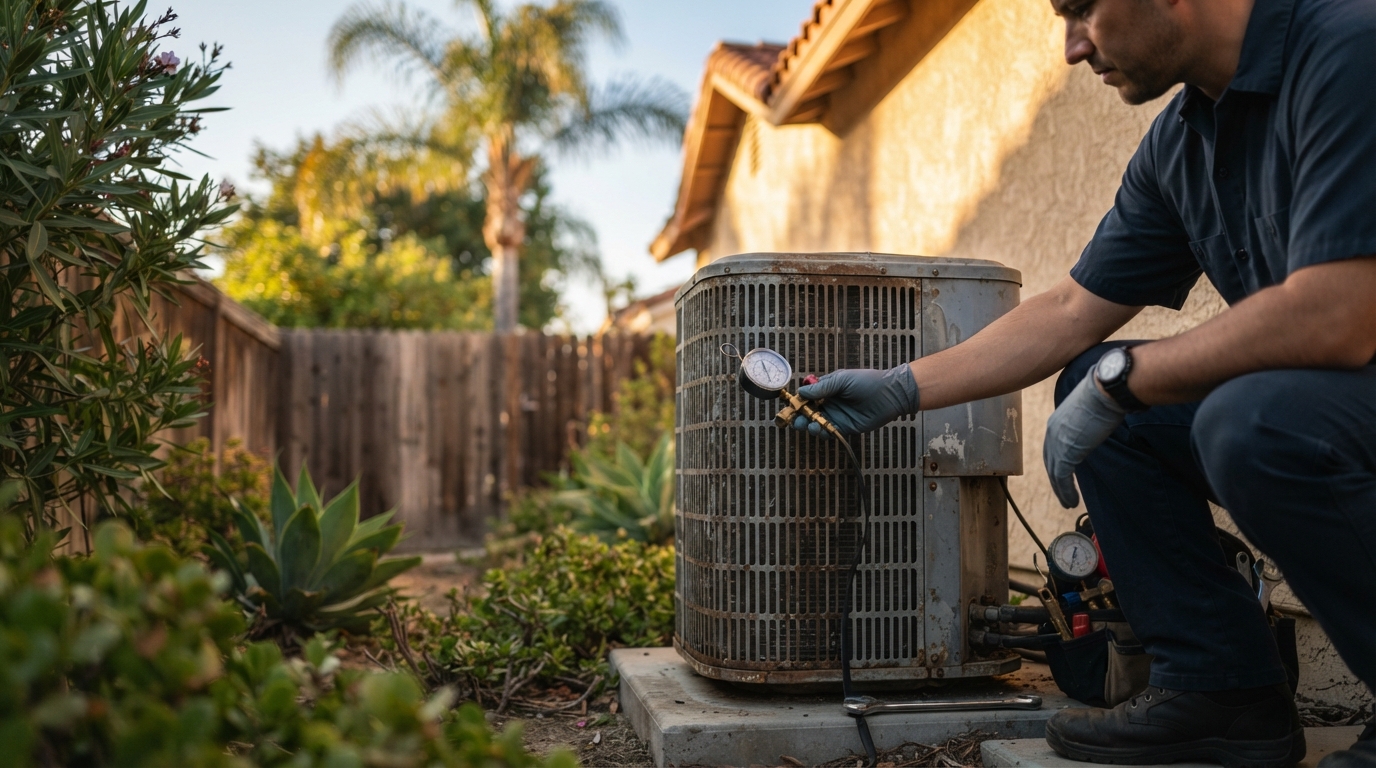
Gardena’s warm, humid stretches put real strain on home cooling systems, and most households eventually need professional help diagnosing a unit that is blowing warm air, cycling oddly, or making unusual noises. Identifying the actual mechanical cause before calling for service helps homeowners describe the problem accurately and avoid unnecessary part replacements. When a system stops cooling effectively, air conditioner repair in Gardena, CA typically starts with a diagnostic visit rather than an automatic part swap, since several unrelated issues can produce identical symptoms.
Technicians in the South Bay area, including those at Drain Right Services, work on both residential and commercial HVAC systems, and the diagnostic process is largely the same regardless of brand or system age. Understanding what that process typically involves can help homeowners set realistic expectations before a technician arrives.
Common Causes Behind a Failing Cooling System
Most residential air conditioning failures trace back to a short list of mechanical or electrical issues. Recognizing the symptoms can help homeowners decide how urgently to schedule service.
Low or leaking refrigerant – the system runs but cools poorly, and ice may form on the lines.
Clogged filters or dirty coils – airflow drops, forcing the compressor to run longer and harder.
Electrical or capacitor failure – the unit hums but the fan or compressor will not start.
Condensate drain blockage – water pools near the indoor unit or the system shuts off on a safety switch.
Thermostat miscalibration – the system cycles too often or does not reach the set temperature.
According to Energy.gov’s guidance on central air conditioners, installation problems like oversizing, improper charging, and leaky ducts result in efficiency losses, occupant discomfort, and shortened equipment life. That is one reason diagnostic accuracy matters more than guesswork when a system underperforms.
What a Professional Diagnostic Visit Usually Involves
A structured inspection process helps technicians isolate the actual fault instead of replacing parts by trial and error.
1. Initial symptom review – the technician asks about noises, airflow changes, cycling patterns, and recent utility bill changes.
2. Electrical and capacitor testing – checking voltage, amperage draw, and start/run components.
3. Refrigerant pressure check – confirming charge levels against manufacturer specifications.
4. Airflow and coil inspection – looking for restricted filters, dirty coils, or blocked vents.
5. Drain line and condensate check – clearing blockages that can trigger safety shutoffs or water damage.
This sequence generally mirrors federal maintenance guidance, which notes that checking and inspecting the condensate drain in a central air conditioner is important, since a plugged drain can cause water damage in the house, affect indoor humidity levels, and breed bacteria and mold.
Repair Versus Replacement: How to Compare Options
Deciding between a repair and a full system replacement depends on the unit’s age, the cost of parts, and how often it has failed recently.
| Factor | Repair Likely Better | Replacement Likely Better |
| System age | Under 10 years | Over 12-15 years |
| Repair cost vs. unit value | Repair under 30% of replacement cost | Repair near or above 50% of replacement cost |
| Frequency of breakdowns | First or second issue in years | Recurring failures each season |
| Energy bills | Stable, modest increases | Sharp, unexplained increases |
Homeowners weighing this decision benefit from a written diagnostic report that lists the specific failed component, since that documentation makes it easier to compare repair quotes against replacement estimates.
Preventive Steps Homeowners Can Take Between Service Visits
Simple maintenance habits reduce the odds of an emergency repair call during peak heat.
Replace or clean filters every one to three months.
Keep at least two feet of clearance around the outdoor condenser unit.
Schedule an annual coil cleaning before summer demand peaks.
Test the thermostat’s accuracy against a separate room thermometer.
Energy.gov maintenance guidance confirms that simple maintenance can reduce cooling energy consumption by 5 to 15 percent. That efficiency gain often appears as a lower utility bill within the first full billing cycle after service.
Frequently Asked Questions
How quickly should a homeowner call for repair once cooling problems start? Waiting more than a few days with warm airflow or unusual noises often allows a minor issue, such as a failing capacitor, to damage the compressor.
Can a homeowner diagnose the problem without a technician? Basic checks like filter condition, thermostat settings, and breaker status are reasonable first steps, but refrigerant and electrical diagnostics require licensed equipment and training.
Does a repair visit always include a full system inspection? Most diagnostic visits check electrical components, refrigerant levels, airflow, and drainage together, since several systems interact and a single symptom can have more than one cause.
Is routine maintenance really worth the cost? Federal efficiency data shows measurable energy savings from basic upkeep, and catching small issues early typically costs less than emergency repairs during peak summer demand.
A cooling system that loses efficiency rarely fixes itself, and waiting through another hot stretch usually turns a small fix into a larger repair bill. Homeowners in Gardena who notice reduced airflow, rising energy bills, or unusual cycling patterns should treat those signs as an early warning rather than a minor inconvenience. For residents ready to schedule a diagnostic visit, (Drain Right Services) offers HVAC repair service across the Gardena and South Bay area, backed by a team familiar with the specific cooling demands of Southern California homes.
